Skip to content

What is WPC Co-extrusion Cladding Benefits and Applications?

WPC Co-extrusion Cladding is rapidly gaining traction in the construction industry, thanks to its unique blend of durability and aesthetic appeal. According to a market report by Grand View Research, the WPC market is expected to reach $10.5 billion by 2027, driven by the rising demand for sustainable materials. This cladding solution combines wood fibers and polymers, providing excellent resistance to moisture and pests.

Dr. Emily Chen, a leading expert in sustainable materials, states, "WPC Co-extrusion Cladding revolutionizes exterior design by merging beauty and functionality." This insight underscores the growing preference for materials that offer both visual appeal and practical advantages. Many architects and builders are now incorporating these products into residential and commercial projects.

However, the industry must also address challenges surrounding the longevity and environmental impact of WPC products. Not all WPC materials are created equal, and understanding the differences can lead to better choices. As the market evolves, ongoing research is essential to enhance the performance and sustainability of WPC Co-extrusion Cladding.
What is WPC Co-extrusion Cladding Benefits and Applications?

What is WPC Co-extrusion Cladding?

WPC co-extrusion cladding is an innovative building material made from wood-plastic composite. This process combines two layers: a durable outer shell and a dense inner core. The result is a product that is resistant to weathering, scratches, and fading, making it ideal for outdoor applications. According to a report by Technavio, the global WPC market is expected to grow by 15% from 2021 to 2025, showcasing its increasing popularity.

Regular maintenance often frustrates homeowners, but WPC cladding simplifies this aspect. Its resistance to moisture prevents mold and rot, which are common issues in traditional materials like wood. Moreover, WPC cladding does not require regular painting or staining, making it a cost-effective option over time. The sustainability factor is noteworthy. WPCs utilize recycled materials, contributing to a greener environment.

**Tip:** When considering WPC cladding, assess its UV resistance for your specific climate. This will enhance product longevity. Another point to reflect on is the variability in quality among manufacturers. Always verify certification and standards to ensure reliability.
Key Benefits of WPC Co-extrusion Cladding

WPC co-extrusion cladding offers numerous advantages for modern construction. This innovative material combines wood fiber and plastic to create a durable and aesthetically pleasing exterior. One key benefit is its resistance to moisture, which prevents warping and decay. In areas with heavy rainfall, this feature is especially valuable. The cladding also provides excellent UV protection, reducing fading over time.

Additionally, WPC co-extrusion cladding is low maintenance. Homeowners can enjoy a beautiful exterior without the hassle of regular painting or sealing. Cleaning is simple, often requiring just soap and water. There’s no need to sand or repaint, which saves both time and money. The aesthetics of the cladding are appealing, offering a range of textures and finishes that can enhance any building's design.

Despite its many benefits, not all applications may be suitable. Some climates may challenge its long-term durability. Installation requires careful consideration of local weather conditions and building practices. Further, as WPC technology evolves, continuous research is necessary to improve performance and ensure sustainability. It’s important for builders to stay informed about these aspects for optimal results.

Applications of WPC Co-extrusion Cladding in Construction

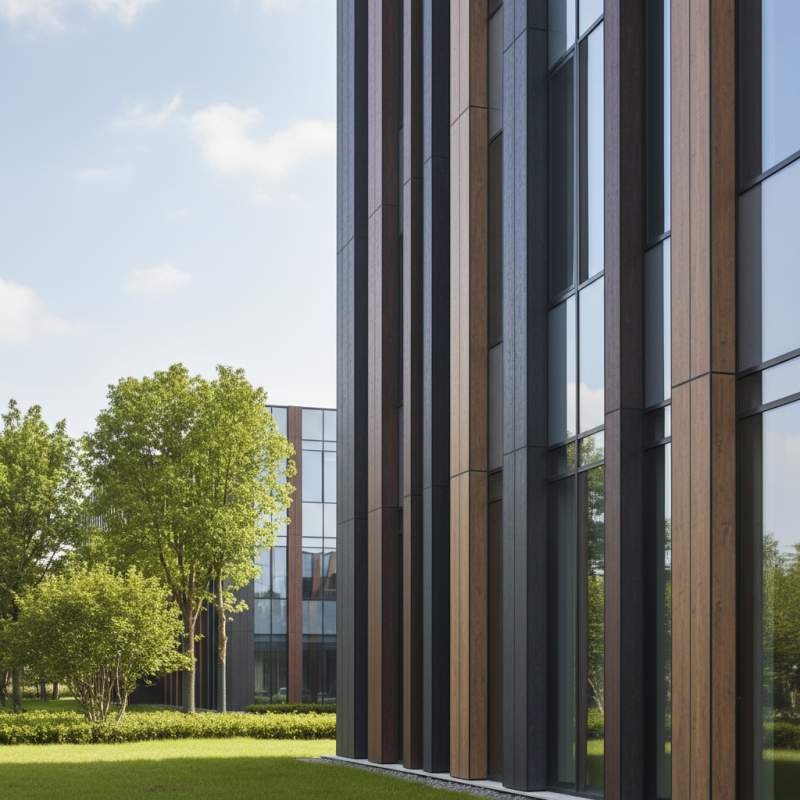
WPC co-extrusion cladding finds diverse applications in the construction industry. This innovative material combines wood fibers and plastic, resulting in a durable, attractive finish. It is often used for exterior cladding, providing a weather-resistant solution. Buildings benefit from its moisture resistance, which reduces maintenance needs over time.

Many architects now prefer WPC cladding for residential and commercial projects. Its aesthetic versatility allows it to mimic natural wood while offering enhanced longevity. In urban settings, WPC systems also contribute to energy efficiency. The insulation properties help in maintaining indoor climate control. Yet, this advanced material also comes with considerations.

Not all installations achieve the same durability. Environmental factors can impact performance over time. The selection of appropriate color and grain patterns can also pose challenges. Homeowners may need guidance to make informed design choices. Proper installation is essential to maximize benefits. Without it, issues may arise.

WPC Co-extrusion Cladding Benefits and Applications

Comparative Analysis: WPC Co-extrusion vs. Traditional Materials

WPC co-extrusion cladding stands out when compared to traditional materials. It combines both durability and aesthetics, making it a popular choice. This innovative method produces a composite material, fusing wood fibers and plastic. The result offers enhanced resistance to moisture, UV rays, and pests. Traditional materials often struggle with these issues, leading to frequent repairs.

In addition to its resilience, WPC co-extrusion can mimic the look of natural wood without the associated maintenance. While traditional wood requires regular staining and sealing, WPC needs minimal upkeep. Yet, there are challenges. Some users report color fading over time. This may lead to a need for replacement sooner than expected.

It's also worth noting that WPC materials can be more expensive upfront. Despite this, many find the long-term benefits outweigh the initial costs. In contrast, traditional options might seem cheaper but can incur hidden expenses due to maintenance and replacement over the years. Ultimately, material choice should reflect both immediate and future needs.

What is WPC Co-extrusion Cladding Benefits and Applications?

Dimension WPC Co-extrusion Traditional Materials
Durability Highly durable, weather resistant Varies, typically less resistant
Maintenance Low maintenance required Regular maintenance needed
Aesthetic Variety Wide range of colors and textures Limited options available
Environmental Impact Made from recycled materials, eco-friendly Can be less eco-friendly, depending on source
Cost-Effectiveness Competitive pricing over lifespan Initial cheaper but higher long-term costs
Installation Easy to install, lighter weight Can be labor-intensive, heavier

Sustainability and Environmental Impact of WPC Co-extrusion Cladding

WPC co-extrusion cladding offers several sustainability benefits, aligning well with modern environmental objectives. According to industry studies, WPC (Wood Plastic Composite) materials consist of roughly 70% recycled wood and plastic, significantly reducing the need for virgin resources. This dual recycling aspect helps lower carbon footprints associated with production. Furthermore, the lifespan of WPC cladding can exceed 25 years, reducing the frequency of replacements and waste.

Energy-efficient manufacturing processes are also a major advantage. Reports indicate that WPC products consume up to 50% less energy in production compared to traditional cladding materials. However, it is essential to recognize that WPC is not entirely free from environmental concerns. The extraction and processing of raw plastics can still generate pollution. Some manufacturers may not disclose their sourcing practices, leading to potential issues related to transparency.

Another consideration is the end-of-life disposal of WPC cladding. While many products are recyclable, not all regions have the facilities to handle them effectively. This raises questions about the overall sustainability of WPC in various contexts. Therefore, while the benefits are significant, ongoing evaluation is necessary to ensure that WPC co-extrusion cladding remains a truly sustainable choice for future building projects.