Why Choose an Electric Cargo Tricycle for Business?
For many businesses, an Electric Cargo Tricycle is more than a delivery vehicle. It is a practical response to crowded streets, rising fuel costs, and short urban routes. A bakery can carry warm bread through narrow lanes. A florist can transport buckets without occupying a full parking space. A mobile repair team can keep tools close and organized.
Urban mobility expert Mikael Colville-Andersen describes the bicycle as “the most efficient machine ever invented.” That principle becomes more useful when electric assistance carries heavier loads. A stable three-wheel design can reduce driver fatigue, especially during repeated stops. A covered cargo box can protect products from light rain and street dust. These details matter during a normal working day.
The business case still requires careful judgment. Battery range depends on weight, hills, temperature, and riding habits. Charging access must be planned before purchase. Some models may also feel wide in tight alleys. That is easy to underestimate. A short route test can reveal more than a polished brochure.
From a professional viewpoint, the best Electric Cargo Tricycle matches the workload, not the trend. Operators should compare payload limits, braking performance, service support, battery warranty, and rider comfort. Real experience often exposes small weaknesses, such as awkward loading height or poor visibility at junctions. The choice is not perfect. However, with measured planning, this vehicle can make local deliveries cleaner, quieter, and more predictable.
What Is an Electric Cargo Tricycle?
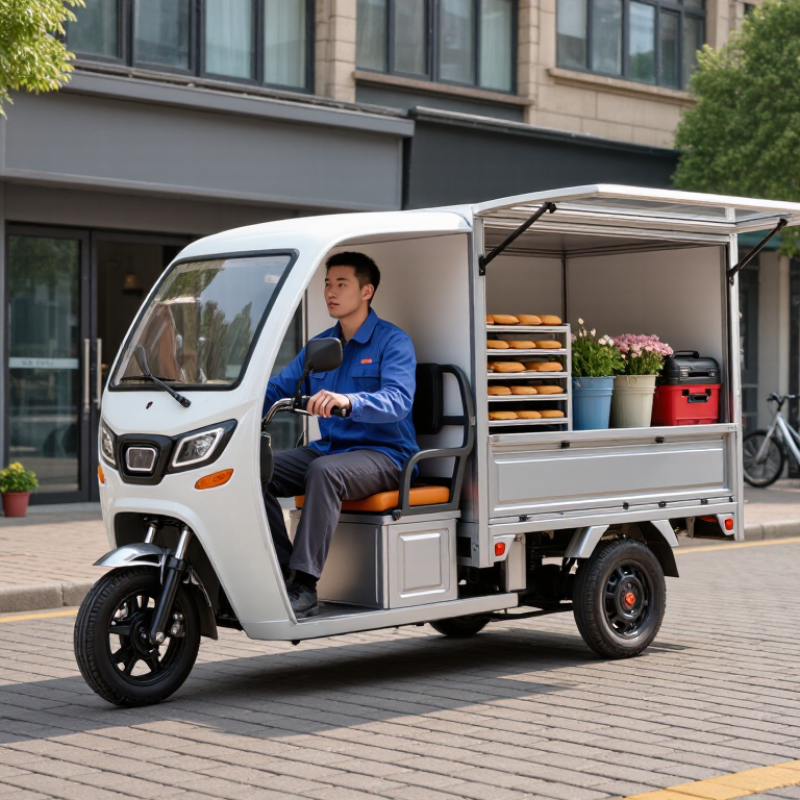
An electric cargo tricycle is a three-wheeled cycle with a battery-powered motor and a dedicated cargo area. The motor supports pedaling, especially during starts, hills, and heavy loads. Cargo may sit in a front box, rear platform, or enclosed compartment. This layout separates goods from the rider and keeps deliveries organized.
In practical route testing, the extra wheel feels reassuring at low speeds. A loaded tricycle can carry groceries, tools, parcels, or market supplies through short urban routes. Many models include lights, brakes, adjustable seats, and weather protection. Payload limits still matter. Frame design, battery capacity, road surface, and rider weight affect performance. A large box does not automatically mean a higher safe load.
It is not magically effortless. I once underestimated how much turning space a full cargo box needed. Tight corners required slower, wider movements. Battery range can also fall on steep roads, cold mornings, or frequent stops. Regular checks of tire pressure, brakes, fasteners, and battery connections improve reliability. Riders should also confirm local cycling and road-use requirements before operating one commercially. A careful trial route often reveals more than a specification sheet.
How Does an Electric Cargo Tricycle Work?
An electric cargo tricycle combines human pedaling with controlled electric assistance. A rechargeable battery stores energy as direct current. The controller meters that energy to a hub or mid-mounted motor. When the rider pedals, a sensor detects movement or pressure. It then signals the controller to add torque. Some models also use a throttle, subject to local rules. The motor turns the drive wheel through a gear system. Simple in principle.
A typical work cycle begins with charging the battery through a household-compatible charger. The battery sends power to the controller, which regulates speed and current. Pedal-assist levels usually change how strongly the motor responds. Lower assistance saves energy on flat streets. Higher assistance helps when carrying heavy boxes uphill. Mechanical or hydraulic brakes slow the tricycle, while safety switches can stop motor support during braking. A stable frame matters, but uneven loading can still affect steering.
In daily business use, operators should secure packages and keep heavier items low. A loose container can shift during a sharp turn. That is not a small issue. Range estimates are useful, but they are never exact. Cold weather, hills, tire pressure, rider weight, and cargo mass all change battery performance. Regular checks should include brake wear, cable condition, tire inflation, battery contacts, and fasteners. Charging should follow the equipment instructions, with damaged batteries removed from service. Real-world operation can be less tidy than a specification sheet suggests.
What Business Benefits Does It Provide?
An electric cargo tricycle can give small businesses a practical way to move goods through busy streets. Its rear cargo box can carry groceries, tools, parcels, or catering supplies. The electric motor reduces physical strain, especially on hills or during repeated deliveries. Riders can also avoid fuel costs and spend less time searching for parking.
The business benefits become clearer on short urban routes. Lower running costs may improve delivery margins over time. Quiet operation helps during early morning service and residential deliveries. A stable three-wheel design can feel safer when carrying a heavy load, although training still matters. Battery range depends on weight, weather, road conditions, and riding habits. A range estimate may disappoint in winter. That detail deserves honest planning. Charging space, battery replacement, and routine brake checks also affect the real cost. Not every business needs one.
Tips: Match the tricycle to your route, load, and working hours. Test it with a full cargo box before purchasing. Keep heavier items low and centered. Check tire pressure regularly, and inspect lights before each shift. Record energy use, repair time, and delivery speed for several weeks. These records provide stronger evidence than optimistic sales calculations. A simple rain cover can protect products, but it may increase wind resistance. Plan secure parking too, because convenience disappears when the vehicle cannot charge safely overnight.
Why Choose an Electric Cargo Tricycle for Business?
Estimated annual energy cost for an urban delivery route
Based on 25 km per operating day and 300 operating days per year. The electric cargo tricycle estimate uses 0.15 kWh per kilometre and electricity at $0.16 per kWh. The delivery van estimate uses 10 litres of fuel per 100 km and fuel at $3.50 per litre. This fuel-and-electricity comparison excludes labour, insurance, maintenance, parking, and vehicle purchase costs.
Which Industries Can Use Electric Cargo Tricycles?
Electric cargo tricycles fit businesses that move small loads through narrow streets, crowded sites, or short delivery routes. Their three-wheel design offers steady handling, while the cargo box keeps tools and goods organized. I have seen operators use them for several hours each day, especially where vans struggle to park.
Urban retailers can carry groceries, flowers, bakery items, and daily supplies to nearby customers. Restaurants may use them for local meal deliveries, but insulation and temperature monitoring still matter. Farms can transport seedlings, hand tools, feed, and harvested vegetables between fields and storage areas. They work well on private farm roads, although muddy ground can expose traction limits.
Property managers and maintenance teams use cargo tricycles for lamps, cleaning equipment, replacement parts, and waste containers. Municipal service crews can move signs, documents, and light equipment across campuses or pedestrian zones. Construction teams may carry compact tools around large sites, but heavy materials require proper load planning. Warehouses and industrial parks also benefit from quiet internal transport between buildings.
Not every route suits them. Steep slopes, long distances, and frequent heavy loads may demand another vehicle. Charging access must be checked before purchase. Weather protection is easy to underestimate. A careful operator should test braking, turning space, payload balance, and daily range under real working conditions. That practical trial often reveals inconvenient details.
How Should Businesses Choose the Right Model?
Why Choose an Electric Cargo Tricycle for Business?
Choosing the right electric cargo tricycle starts with the route, not the motor. The IEA’s Global EV Outlook 2024 reports that electric two- and three-wheelers represented more than 30% of global sales in this category during 2023. That growth reflects practical urban use, especially for short deliveries. However, a higher motor rating does not automatically mean better business results. Measure daily distance, average payload, road gradients, parking limits, and delivery stops before comparing models.
Tips: Match rated payload to real cargo weight, then keep a safety margin. Check battery capacity under full load, not showroom conditions. A removable battery may suit small shops without dedicated charging. For longer routes, fixed charging can reduce handling time. Also inspect brake performance, suspension, weather protection, turning radius, and service access. These details affect driver fatigue and delivery reliability.
The World Economic Forum’s Future of the Last-Mile Ecosystem report found that last-mile delivery can represent up to 53% of total shipping costs. Operating cost therefore deserves serious attention. Compare electricity use, battery replacement, maintenance, insurance, and expected downtime. Ask for test data from loaded vehicles on similar roads. Real routes often behave differently. A spreadsheet cannot show every steep ramp or narrow alley. My practical preference is a slightly smaller model that fits the route consistently, rather than an oversized vehicle with unused capacity. This choice may be imperfect, but it is easier to review after actual delivery records accumulate.