Top 10 Mirror Finish Steel Suppliers for Global Buyers
Choosing a reliable Mirror Finish Steel supplier requires more than comparing bright surfaces in online photographs. Global buyers must examine finish consistency, stainless-steel grade, thickness tolerance, production capacity, and export experience. A polished sheet can look flawless under showroom lighting, yet reveal haze, roller marks, or uneven reflection after installation.
W. Edwards Deming, a respected manufacturing-quality authority, said, “Quality comes not from inspection, but from the improvement of the production process.” That principle matters here. Strong suppliers control polishing stages, abrasive selection, cleaning procedures, protective film, and final inspection. They also document results through mill certificates, surface-finish records, and dimensional reports.
This guide reviews ten Mirror Finish Steel suppliers serving international buyers. It considers practical details, including 8K and No. 8 finishes, common grades such as 304 and 316L, custom cutting, minimum order quantities, packaging, lead times, and port access. Supplier communication also matters. Clear answers often reveal more than polished brochures.
Some rankings may remain imperfect. Public information changes. Regional performance can vary. A supplier that works well for architectural panels may not suit food-processing equipment or elevator interiors. Buyers should verify current certificates, sample quality, production schedules, and applicable standards before placing orders.
Look closely.
A dependable supplier should provide more than shine. It should provide repeatable quality, traceability, careful packaging, and realistic delivery commitments. That is the difference between a beautiful sample and steel that performs reliably across borders.
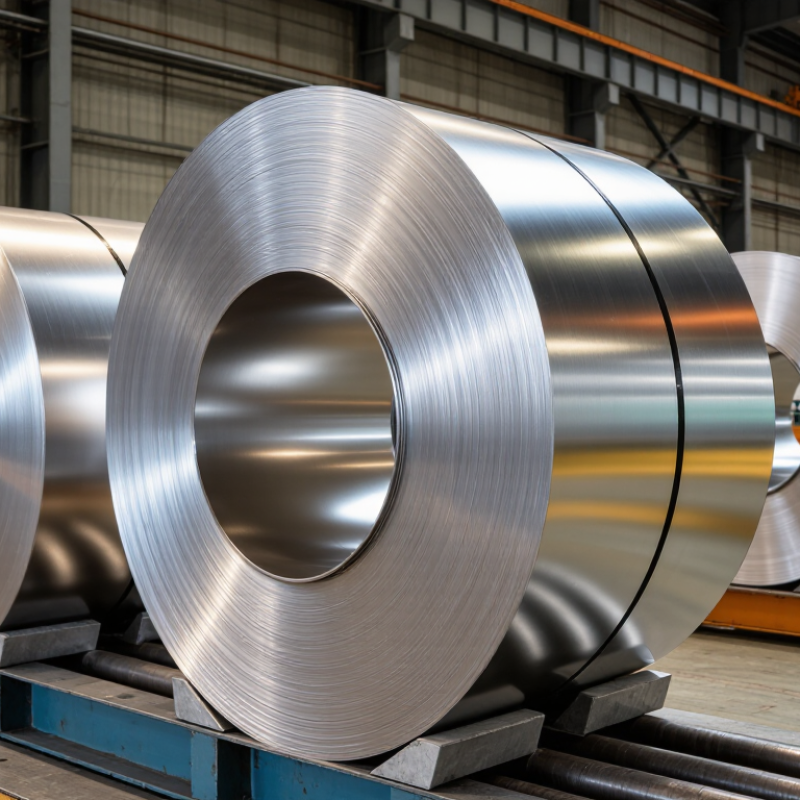
What Mirror Finish Steel Is and How Its Surface Quality Is Measured
Mirror finish steel usually means stainless steel polished until it reflects light clearly. It is not a single universal grade or finish. Common descriptions include BA, No. 8, and custom-polished surfaces. ASTM A480/A480M defines general stainless sheet requirements, but it does not guarantee identical mirror quality between suppliers. That limitation matters for global buyers. World Stainless reported about 58.4 million tonnes of stainless steel production in 2023, showing the market’s scale and variety.
Surface quality needs measurable evidence. Roughness testing commonly records Ra, the average roughness, and Rz, the peak-to-valley height. ISO 21920-2 provides current guidance for profile surface texture parameters. Gloss meters can measure reflected light, while visual checks reveal scratches, orange peel, pits, and cloudy polishing marks. A supplier should state the test direction, sampling length, lighting condition, and acceptance limit. Without these details, “mirror finish” remains partly subjective.
Tips: Request a coated sample and an uncoated sample. Check them under angled white light. Compare Ra values across the same polishing direction. A low Ra does not always mean a perfect reflection. Surface waviness can remain visible. This is where many purchasing specifications become incomplete. Ask for inspection images, material certificates, and a written defect standard before approval. Be careful with impressive gloss numbers; they may not represent the whole sheet.
Key Factors for Comparing Global Mirror Finish Steel Suppliers
Top 10 Mirror Finish Steel Suppliers for Global Buyers
Comparing global mirror finish steel suppliers requires more than checking price. Surface quality, grade consistency, and delivery reliability matter equally. World Stainless reported approximately 58.4 million tonnes of stainless steel production in 2023. This scale creates many sourcing choices, but quality varies between mills, processors, and exporters.
Ask suppliers for surface roughness values, polishing standards, thickness tolerances, and inspection records. A bright No. 8 finish should remain visually consistent across the sheet, without cloudy patches or polishing lines. ASTM A480 and EN 10088 references can help buyers compare technical claims. The World Steel Association recorded 1.89 billion tonnes of crude steel production in 2023, showing the industry’s enormous capacity. Yet, large output does not guarantee careful finishing. A smaller processor may provide better inspection evidence, while a larger supplier may offer stronger continuity.
Tips: Request samples from different production lots. Measure reflectivity and roughness independently. Check mill certificates, packing photos, and traceability codes. Confirm whether prices include polishing, protective film, export packing, and inland delivery. Review lead-time performance over several orders, not one successful shipment. A supplier’s sustainability report can also reveal energy, water, and recycling practices. However, these disclosures are not always comparable. My own comparison sheets sometimes overvalue low prices and undervalue rework risk. That mistake is costly. Ask difficult questions early.
Top 10 Mirror Finish Steel Suppliers for Global Buyers - Key Factors for Comparing Global Mirror Finish Steel Suppliers
Comparative benchmark based on commonly quoted stainless-steel product specifications, export capabilities, quality systems, and buyer-service factors. Supplier identities are anonymized.
| Rank | Anonymized Supplier | Primary Product Form | Common Grades | Mirror Finishes | Typical Thickness | Typical Width | Surface Protection | Quality Documents | Customization | Typical Export Coverage | Indicative Lead Time | Comparison Score |
|---|---|---|---|---|---|---|---|---|---|---|---|---|
| 1 | Supplier Profile 01 | Cold-rolled sheets and coils | 304/304L, 316/316L, 201 | BA, No. 8 mirror | 0.30–3.00 mm | Up to 1,500 mm | PVC film, paper interleaf | Mill test certificate, inspection report | Slitting, cutting, edge finishing | Asia, Europe, Middle East, Americas | 20–35 days | 9.4/10 |
| 2 | Supplier Profile 02 | Sheets, coils, and decorative panels | 304/304L, 316L, 430 | No. 8, BA, hairline plus mirror | 0.40–2.50 mm | Up to 1,500 mm | Clear or black PVC film | MTC, PMI available, dimensional report | Laser cutting, bending, polishing | Europe, North America, GCC, Southeast Asia | 25–40 days | 9.1/10 |
| 3 | Supplier Profile 03 | Cold-rolled coils and slit strips | 304, 316L, 430, 201 | BA and No. 8 mirror | 0.25–2.00 mm | Up to 1,250 mm | PVC film and moisture-resistant wrapping | MTC, EN 10204 3.1 on request | Slitting, leveling, custom lengths | Asia, Africa, Middle East, Europe | 18–32 days | 8.9/10 |
| 4 | Supplier Profile 04 | Sheets and fabricated components | 304/304L, 316/316L, 430 | No. 8 mirror and super mirror | 0.50–3.00 mm | Up to 1,500 mm | Protective film, custom packing | MTC, surface inspection, packing list | CNC cutting, drilling, forming | Europe, North America, Oceania | 30–45 days | 8.7/10 |
| 5 | Supplier Profile 05 | Coils and narrow slit strips | 304, 316L, 201, 430 | BA and bright mirror | 0.30–1.50 mm | Up to 1,220 mm | PVC film, export-grade steel packing | MTC, coil weight and dimension records | Slitting, recoiling, custom coil weight | Southeast Asia, Africa, Middle East | 20–35 days | 8.5/10 |
| 6 | Supplier Profile 06 | Sheets, coils, and cut-to-size blanks | 304/304L, 316L, 410, 430 | No. 8 mirror and BA | 0.40–2.50 mm | Up to 1,500 mm | Film protection and corner guards | MTC, dimensional and visual inspection | Cutting, deburring, edge polishing | Europe, Latin America, Middle East | 25–45 days | 8.3/10 |
| 7 | Supplier Profile 07 | Decorative stainless-steel sheets | 304, 316L, 201 | No. 8 mirror, colored mirror | 0.50–1.50 mm | Up to 1,220 mm | PVC film, paper interleaf | MTC and surface inspection report | Color coating, etching, cutting | Asia, Middle East, selected European markets | 30–50 days | 8.1/10 |
| 8 | Supplier Profile 08 | Cold-rolled sheets and welded panels | 304/304L, 316L, 430 | BA and No. 8 mirror | 0.60–3.00 mm | Up to 1,500 mm | PVC film and reinforced pallet packing | MTC, weld inspection, dimensional report | Welding, forming, custom panel sizes | North America, Europe, Australia | 35–55 days | 7.9/10 |
| 9 | Supplier Profile 09 | Sheets and small-batch custom blanks | 304, 316L, 201, 430 | Mirror, BA, hairline | 0.40–2.00 mm | Up to 1,250 mm | Protective film and moisture barrier | MTC and pre-shipment inspection | Small MOQ, cutting, drilling | Asia, Africa, regional distributors | 25–45 days | 7.7/10 |
| 10 | Supplier Profile 10 | Stock-supported sheets and coils | 304/304L, 316L, 430 | BA and No. 8 mirror | 0.50–2.50 mm | Up to 1,500 mm | PVC film and export packaging | MTC, packing list, visual inspection | Cut-to-length, slitting, repacking | Middle East, Southeast Asia, Africa | 15–30 days for stock items | 7.5/10 |
Buyer verification checklist: Confirm the exact grade standard, chemical composition, thickness tolerance, surface roughness or reflectivity requirement, protective-film specification, inspection method, packaging standard, minimum order quantity, Incoterms, and current production lead time before placing an order.
Top 10 Mirror Finish Steel Suppliers by Products and Market Reach
The leading suppliers serve different purchasing needs, not identical markets. Some focus on 304 and 316 stainless steel sheets for kitchens, elevators, and cleanroom walls. Others specialize in decorative coils, narrow strips, tubes, or cut-to-size panels. Their finishes may range from bright 8K surfaces to satin No. 4 textures. Buyers should request surface samples, thickness tolerances, edge conditions, and protective-film details before comparing prices.
The strongest suppliers usually combine certified mills, stable polishing lines, and export experience. Several serve regional construction markets, while others handle container orders across Asia, Europe, the Middle East, and North America. Their market reach often depends on port access, packaging quality, and local warehouse support. Small-batch suppliers can offer faster customization. Large producers may provide better consistency for recurring contracts. That difference matters.
From practical sourcing reviews, the most reliable suppliers explain rejection rates, packing methods, and realistic lead times. They also clarify whether mirror brightness may change after forming or welding. One weakness remains common: some catalogs show attractive samples but provide limited production evidence. This deserves caution. A supplier’s reputation should not replace independent testing, especially for corrosion resistance and dimensional accuracy. Buyers can compare trial orders, communication speed, and claims handling before committing to a long-term supply relationship.
How to Evaluate Grades, Finishes, Certifications, and Custom Services
When comparing mirror finish steel suppliers, start with the intended application, not surface appearance. Stainless grades behave differently in kitchens, medical rooms, coastal equipment, and decorative interiors. Grade 304 suits many indoor uses, while 316L offers stronger resistance to chlorides. Grade 430 may reduce cost, but it needs careful exposure review. Ask for chemical composition, mechanical results, and heat numbers on an EN 10204 3.1 certificate. ASTM or EN references should match your purchase specification.
FINISH DETAILS Finish claims require measurable details. “Mirror finish” can mean BA, No. 8, or a polished surface with different roughness values. Request Ra data, sample panels, and photographs under consistent lighting. Inspect edges, weld zones, protective film, and visible polishing lines. A flawless center can hide uneven corners. I once treated brightness as proof of quality. That was too simple. Reflection can look attractive while surface flatness remains poor.
Reliable suppliers explain their inspection process and maintain batch traceability. Check whether certificates come from recognized testing bodies and whether records identify the actual production lot. Ask about laser cutting, bending, welding, brushing, and custom thickness tolerances. Packaging also matters: waterproof wrapping, corner protection, and wooden crates can prevent transit scratches. Confirm lead times, minimum quantities, replacement procedures, and export documents in writing. Small omissions become expensive. A trial order often reveals more than a polished presentation.
Ordering, Quality Control, Shipping, and Import Considerations for Buyers
When comparing the top ten mirror finish steel suppliers, buyers should examine more than price. Request the exact steel grade, thickness tolerance, coil or sheet size, and finish standard. Ask for recent inspection reports and a small sample before placing a large order. A bright surface can hide waviness, scratches, or uneven polishing. Check the sample under warehouse lighting and daylight. This simple step often reveals problems that product photos miss. Experienced suppliers should explain their polishing process, protective film, packing method, and rejection policy clearly.
Tips: Confirm the surface roughness target in writing. Inspect edges, flatness, film adhesion, and packaging corners. Use an independent inspector when order value is high. Keep approved samples for comparison. No checklist is perfect.
Shipping requires practical planning. Mirror finish steel needs dry, reinforced packaging with separators between sheets. Moisture during ocean transport may cause staining beneath protective film. Ask for photos before loading, container details, gross weight, and pallet measurements. Import documents should match the purchase contract, including grade, quantity, origin, packing list, commercial invoice, and inspection records. Confirm tariff classification and local import requirements with a qualified customs professional. Do not rely only on the supplier’s assumptions. Delays often come from small document differences, not production failures. Build time for port handling and possible inspection. In my experience, cheaper freight can become expensive when packaging is weak or delivery terms are misunderstood.
Top 10 Mirror Finish Steel Suppliers for Global Buyers
Anonymized buyer-readiness benchmark based on measurable procurement factors: surface-quality consistency, export documentation, on-time shipping, customization capability, and order responsiveness. Scores use a normalized 0–100 scale and are intended for supplier screening rather than company-specific claims.
Higher scores indicate lower purchasing risk and stronger suitability for international orders. Buyers should validate mill certificates, surface roughness, packaging standards, lead times, Incoterms, inspection procedures, and import documentation before placing an order.