Skip to content

Top Medical Sliding Doors for Global Buyers How to Choose?

Choosing the right medical sliding doors is crucial for hospitals and healthcare facilities. These doors enhance accessibility and improve safety in medical environments. Selecting the best products requires understanding various factors such as design, functionality, and durability.

Medical sliding doors come in different materials, styles, and sizes. Buyers must consider specific needs, including space limitations and patient flow. Each facility has unique requirements that need careful evaluation. It is essential to consult experts in the field to make informed decisions. Quality and reliability are paramount, as these doors directly impact the overall operational efficiency of healthcare settings.

While many options exist, not all fit every situation. Some doors may fail to meet the stringent safety standards expected in healthcare environments. Therefore, thorough research and expert recommendations are key. Reflecting on flaws in previous choices can lead to better future decisions. Making the right choice in medical sliding doors can significantly enhance the patient experience and operational workflow.
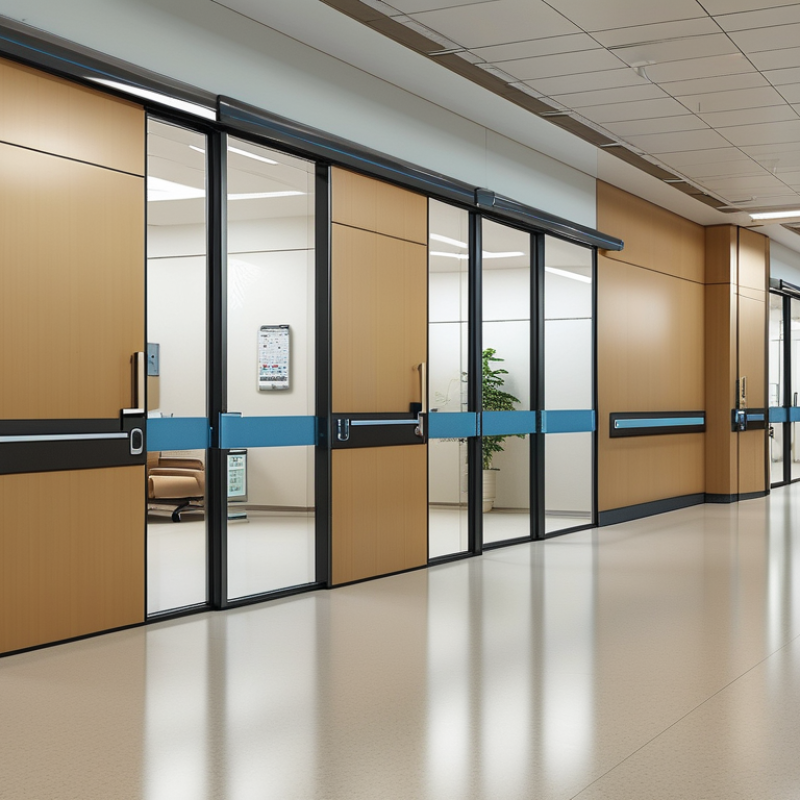
Top Medical Sliding Doors for Global Buyers How to Choose?

Overview of Medical Sliding Doors and Their Importance

Medical sliding doors play a crucial role in modern healthcare facilities. Their design promotes easy access for patients and medical staff alike. These doors minimize contact, which is essential in maintaining hygiene. They serve as effective barriers to prevent contamination in sensitive areas like operating rooms and patient wards.

The importance of these doors extends beyond convenience. They help control the environment within healthcare settings. Many medical sliding doors are equipped with automatic sensors for seamless operation. This feature is vital in emergency situations, where quick access can save lives. However, not all sliding doors are created equal. Buyers must consider the specific needs of their facility, including the door's durability and ease of cleaning.

While many options exist, a thoughtful approach is necessary. It's important to reflect on the layout and traffic patterns of a facility. Make sure the selected door type enhances workflow, rather than complicating it. Balancing aesthetics and functionality can be challenging. Facilities must analyze their requirements to avoid disappointing outcomes.

Key Features to Consider When Choosing Medical Sliding Doors

Choosing the right medical sliding doors is crucial for healthcare facilities. These doors offer functionality and convenience in high-traffic areas. When selecting doors, you must prioritize safety features. Automatic door closers and motion sensors enhance patient safety and improve workflow.

Durability is another key aspect. Medical sliding doors should withstand frequent use and cleaning. Materials that resist bacteria spread, such as stainless steel or heavy-duty glass, are ideal. Consider the door's design as well. Design can impact accessibility. Ensure the doors meet all necessary regulations regarding width and height.

Aesthetic appeal can also influence the overall environment of a healthcare space. Well-designed doors can create a welcoming atmosphere. Yet, one must weigh aesthetics against practicality. In some cases, a visually stunning door may not perform well over time. Finding the right balance is essential for long-lasting functionality and overall satisfaction.

Types of Medical Sliding Doors Available in the Market

When selecting medical sliding doors, it's essential to consider the various types available on the market. One common type is automatic sliding doors, ideal for high-traffic areas. They provide hands-free access, which is crucial in healthcare settings to maintain hygiene. These doors often feature sensors to detect motion, ensuring safety and convenience for both patients and staff.

Another option includes manual sliding doors. These are typically more straightforward and can be suitable for smaller facilities. While they require physical effort to operate, they may be more cost-effective. However, one must reflect on their practicality in emergency situations. A balance between usability and potential risks is vital.

Glass sliding doors are also popular, as they allow visibility while maintaining a barrier. Patients can feel more at ease when they can see into the room. Yet, the transparency may pose privacy concerns in sensitive areas. Material choice, such as tempered glass or specialized finishes, can influence durability and safety. Each type offers distinct benefits, but weighing these against the specific needs of a facility is crucial for making the best selection.

Top Brands for Medical Sliding Doors Globally

When selecting medical sliding doors, buyers need to consider various factors. Quality and safety are paramount in medical settings. Look for doors that meet health standards and provide reliable operation. Focus on materials that resist bacteria and facilitate hygiene. Often, buyers overlook the importance of door automation. Automated systems can enhance patient flow and reduce physical contact.

Top brands in the market prioritize innovation and user experience. They provide customizable options, allowing facilities to tailor designs to their specific needs. The aesthetic appeal is also significant. A well-designed door can enhance the overall atmosphere of a medical facility. While many brands tout their reliability, it's crucial to review user feedback.

Buyers should investigate the warranty and service options available. These details can reveal a brand's commitment to quality. Understanding the installation process can prevent future complications. It’s essential to weigh these aspects against budget constraints. A hasty choice might lead to costly repairs or replacements down the line. Seek expert insights before finalizing a decision.

Guidelines for Installation and Maintenance of Medical Sliding Doors

When it comes to medical sliding doors, proper installation and maintenance are crucial. These doors facilitate smooth access in healthcare settings, ensuring the safety and efficiency of operations. Start by assessing the door frame and track. Ensure they are aligned correctly to avoid disruptions. This alignment is vital for seamless functionality. Additionally, regular cleaning of the sliding mechanism can prevent dust accumulation, which could hinder performance.

It's important to check the electrical components regularly. Look for signs of wear or malfunction. Even minor issues can escalate, affecting the door's reliability. A functional check every few months is advisable, considering the high traffic in medical environments. In case of any irregularities, prompt attention is necessary to maintain safety standards.

Routine maintenance should also focus on lubricating the tracks. Use an appropriate lubricant designed for sliding doors. Over time, lack of lubrication can lead to noise and friction. While this may seem like a small issue, it can indicate deeper mechanical problems. Always keep an eye on the overall functionality of these doors to ensure they operate smoothly under all conditions.

Top Medical Sliding Doors for Global Buyers

Feature Specification Recommended Use Maintenance Tips
Material Aluminum, Stainless Steel Hospitals, Clinics Regular cleaning, Check seals
Operation Automatic, Manual Emergency Rooms, Surgery Inspect sensors, Lubricate tracks
Size Options Standard, Custom Outpatient Facilities, Radiology Measure accurately, Adjust frames
Glass Type Tempered, Laminated Patient Rooms, Waiting Areas Inspect for cracks, Clean regularly
Safety Features Emergency Stops, Photo Sensors High Traffic Areas Test functionality, Maintain backups