Top Custom Sliding Doors Manufacturers for Global Buyers
Choosing among the top Custom sliding doors manufacturers requires more than comparing online prices. Global buyers must examine materials, engineering, testing, production capacity, and after-sales support. A door may look elegant in a showroom, yet fail under coastal humidity, strong sunlight, or frequent commercial use. Small details matter: smooth rollers, accurate tracks, sealed glass, secure locks, and replacement parts that remain available.
Tom Silva, a veteran builder and longtime This Old House expert, often emphasizes this practical principle: “A door has to work every day, not just look good on opening day.” That idea should guide every supplier review. Reliable manufacturers explain their aluminum grades, glass specifications, drainage design, and maximum panel weight. They also provide drawings, installation guidance, and clear warranty terms. Ask for project photographs. Request technical documents. Speak with previous buyers when possible.
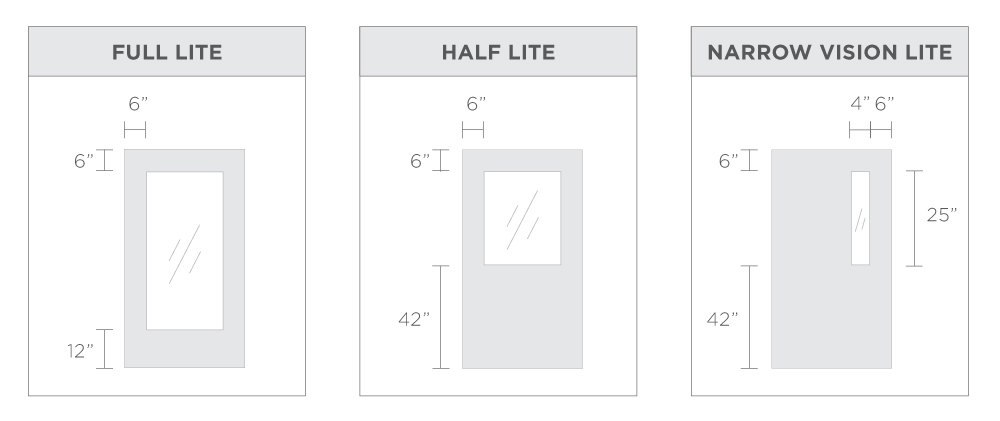
This guide compares manufacturers through a buyer-focused lens. It considers customization range, export experience, quality control, lead times, packaging, certifications, and communication. It also looks at difficult realities, including uneven color matching, delayed hardware, and installation errors. These issues are not always visible in polished catalogs. They can become expensive later.
The strongest suppliers do more than manufacture panels and frames. They help buyers select suitable configurations for homes, hotels, offices, and large architectural projects. Still, no ranking is perfect. Regional climate, budget, building codes, and installer skill can change the final result. Treat this overview as a practical starting point, not a final decision. Good research takes time. That is unavoidable.
Global Custom Sliding Door Market: Types, Materials, and Buyer Requirements
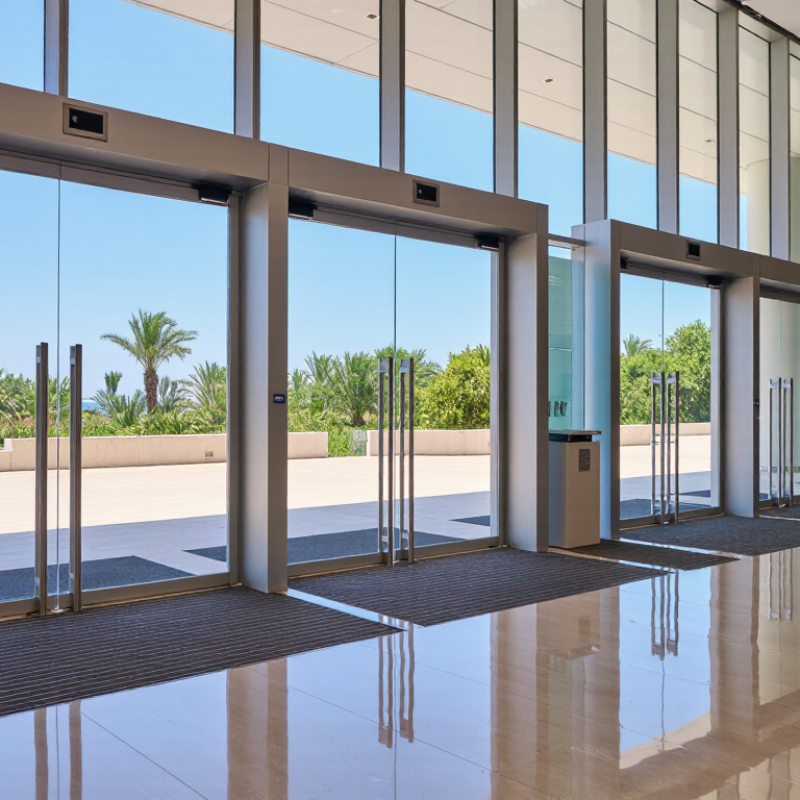
Global buyers now request custom sliding doors for homes, hotels, offices, and industrial interiors. The right manufacturer should understand local climate, building practices, and installation limits. A coastal project may need corrosion-resistant hardware and sealed frames. A cold-region project may require thermal breaks and insulated glass. Small details matter.
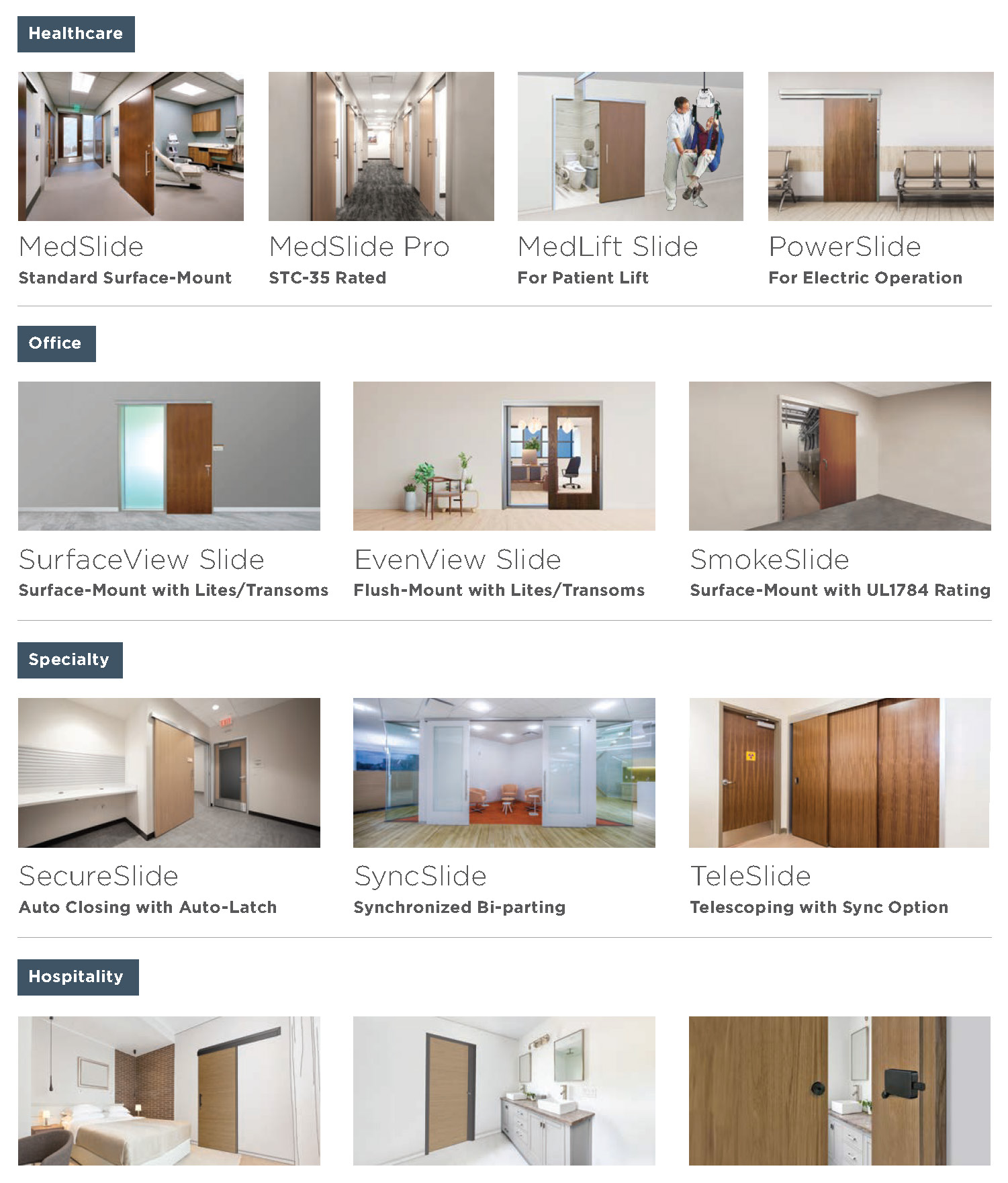
Common door types include lift-and-slide, pocket, bi-fold, telescopic, and automatic sliding systems. Each design serves a different space and traffic pattern. Lift-and-slide doors suit wide openings and heavy glass panels. Pocket doors save room but demand accurate wall preparation. Bi-fold systems create broad openings, although their moving panels need careful alignment. These choices are not interchangeable.
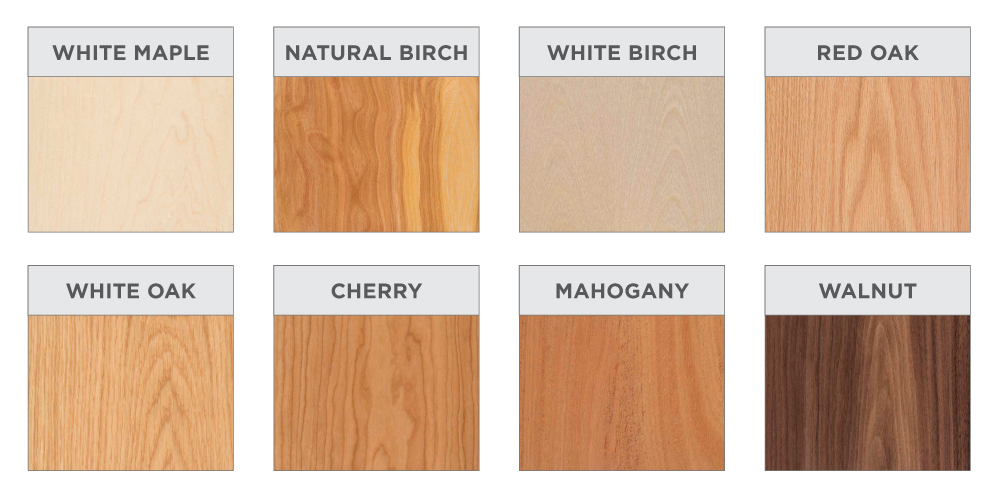
Materials also shape performance and maintenance. Aluminum offers strength and slim profiles, while uPVC provides practical insulation and lower upkeep. Timber adds warmth but requires disciplined moisture protection. Laminated or tempered glass can improve safety, sound control, and daylight.
Buyers should request tested performance data, not vague claims. Check air leakage, water resistance, wind load, thermal values, cycle testing, and hardware durability. Confirm drawings, tolerances, packaging, spare parts, and installation guidance before production.
A perfect specification rarely exists. That assumption can fail.
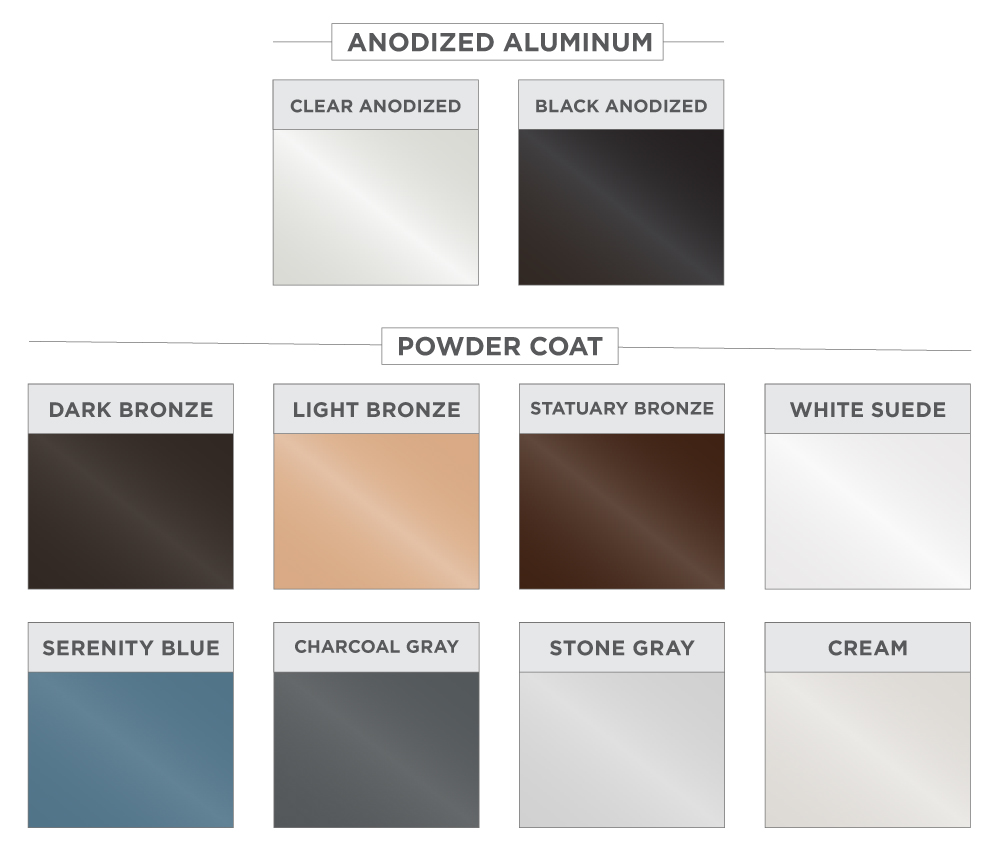
Manufacturers serving global buyers should provide clear lead times, quality inspections, and responsive technical communication. Experience with export packaging is valuable because damaged corners or warped frames create expensive delays. Ask for approved samples and finish references. Powder coating, anodizing, and wood coatings can appear different under changing light. Factory confidence is useful, but independent inspection may reveal overlooked details.
NFRC Benchmarks: U-Factor ≤0.30 and Air Leakage ≤0.3 cfm/ft²
Top Custom Sliding Doors Manufacturers for Global Buyers
For global buyers, NFRC benchmarks turn attractive specifications into measurable performance. A target U-factor of 0.30 or lower limits heat transfer through the complete door assembly. Air leakage should not exceed 0.3 cfm/ft² under the stated test pressure. NFRC 100 covers thermal transmittance, while NFRC 400 provides air-leakage testing procedures.
These figures matter in real buildings. The U.S. Department of Energy reports that windows can represent 25–30% of residential heating and cooling energy use. A poorly sealed sliding door can increase drafts, condensation, and mechanical-load demand. Check whether the manufacturer tested the full door, not only the glass panel. Frame design, interlocks, rollers, and weather seals can change results.
Ask custom manufacturers for accredited laboratory reports, test pressures, sample sizes, and production tolerances. A thermally broken frame helps, but it does not guarantee a U-factor below 0.30. Installation quality remains critical. Small gaps around the sill can undermine excellent factory data.
Field conditions are less controlled.
Global projects also need climate-specific review. Coastal humidity, strong wind, and large temperature swings expose weak drainage and seal design. I would request a production sample before approving volume orders. That step costs time, yet catalog figures sometimes hide practical weaknesses. Performance data deserves scrutiny, not automatic trust.
Compliance Standards: EN 14351-1, NFRC, and AAMA/WDMA/CSA 101
For global sliding-door buyers, compliance is more than a certificate in a supplier’s folder. EN 14351-1 covers external pedestrian doorsets, including many sliding systems, under European product requirements. Buyers should request the Declaration of Performance, test scope, and declared values for air permeability, watertightness, wind resistance, and thermal transmittance. The test size matters. A small sample may not represent a three-metre opening.
NFRC ratings help buyers compare U-factor, solar heat gain coefficient, visible transmittance, and air leakage in North American projects. The U.S. Department of Energy reports that windows and doors can strongly influence building heating and cooling demand, while the IEA states that buildings consumed about 30% of global final energy in 2022. Small rating differences can therefore become meaningful across large developments. Still, a label alone is not proof. Installation details, glass selection, frame reinforcement, and perimeter sealing can change actual performance. That is an easy detail to miss.
AAMA/WDMA/CSA 101/I.S.2/A440 uses performance classes and laboratory tests for air, water, structural, and operational performance. Buyers should match the product class to exposure, building height, and local wind loads. Ask for current reports, not marketing summaries. Some manufacturers present laboratory results without clarifying configuration limits. That deserves a second review. Certification records, traceable hardware, and documented factory quality checks provide stronger evidence of reliability. According to industry testing practice, repeatability matters, yet field workmanship remains the uncomfortable variable.
Top Custom Sliding Doors Manufacturers for Global Buyers
Compliance Coverage: EN 14351-1, NFRC Rating Procedures, and AAMA/WDMA/CSA 101
This chart compares the primary performance topics addressed by the referenced compliance frameworks. A value of 1 indicates direct coverage of the topic, not a quality score or manufacturer ranking. EN 14351-1 covers key European window and door performance characteristics; NFRC procedures focus mainly on energy, solar, visible-transmittance, and air-leakage ratings; AAMA/WDMA/CSA 101 addresses North American air, water, and structural performance requirements.
Top Manufacturer Profiles: Capacity, Customization, Certifications, and Reach
Top Custom Sliding Doors Manufacturers for Global Buyers
A serious manufacturer profile should show annual capacity, not only attractive project photos. Buyers should ask for monthly output, glass-processing limits, and average lead times. A factory producing 20,000 panels monthly may still struggle with unusual heights or narrow installation tolerances. Capacity needs context.
Customization should cover frame depth, thermal breaks, glass coatings, hardware, drainage, and security testing. The UNEP Global Status Report for Buildings and Construction 2023 links buildings with 34% of global energy demand. Therefore, credible suppliers should provide U-values, air-leakage results, and solar-control data. Certificates matter too. The ISO Survey 2023 recorded 1,265,216 ISO 9001 certificates worldwide. Yet certification alone does not prove consistent door performance. Buyers should verify certificate scope, testing dates, and production-site details.
Reach involves more than shipping to many countries. Strong profiles explain export regions, packaging methods, replacement-part support, and local compliance experience. Look for documented container loading, corner protection, and installation instructions with actual drawings. Some manufacturers publish impressive capacity figures but omit rejection rates and rework. That gap deserves attention. A practical supplier should disclose sample approval procedures, warranty exclusions, and how damaged units are handled. Small details reveal operational maturity.
Global Buyer Comparison: MOQ, Lead Time, Incoterms, Warranty, and Testing
Global buyers should compare custom sliding-door manufacturers through measurable terms, not attractive catalogs. The World Bank’s 2023 Logistics Performance Index evaluates customs, infrastructure, shipment quality, and delivery timeliness. These factors directly affect lead time. Ask for a production schedule showing drawing approval, sampling, fabrication, inspection, and loading dates. A quoted 30-day lead time may exclude design revisions. Small errors compound.
MOQ also changes the real purchase cost. A factory offering 50 sets may appear flexible, but smaller orders can carry higher tooling and packaging charges. Request pricing at three volumes, such as 50, 200, and 500 sets. Incoterms must be written beside every quotation. Under Incoterms 2020, FCA, FOB, CIF, and DDP assign different costs, insurance duties, and risk-transfer points. UNCTAD’s Review of Maritime Transport reports that over 80% of world merchandise trade by volume moves by sea, so port delays deserve attention. Warranty terms should identify coverage years, excluded installation damage, replacement procedures, and response times. Testing should include cycle testing, load resistance, water penetration, air leakage, and corrosion exposure. Ask for dated reports from an independent laboratory. A certificate without a test method proves little. I would also check whether the sample matches mass production. This step is often missed.
Top Custom Sliding Doors Manufacturers for Global Buyers - Global Buyer Comparison: MOQ, Lead Time, Incoterms, Warranty, and Testing
Anonymous supplier comparison using representative, buyer-oriented market ranges for custom architectural sliding doors.
| Anonymous Supplier Profile | Typical Product Scope | MOQ | Sample / Prototype Lead Time | Production Lead Time | Common Incoterms | Warranty Coverage | Testing & Documentation | Best Fit for Global Buyers |
|---|---|---|---|---|---|---|---|---|
| Supplier Profile 1 | Aluminium-framed lift-and-slide doors; thermally broken profiles; double or triple glazing. | 1–5 sets for standard configurations; custom projects quoted separately. | 10–20 working days | 25–40 working days after drawing and deposit approval. | EXW, FCA, FOB, CIF | Typically 5 years for frames and hardware; glass and seals subject to written terms. | Dimensional inspection, glass safety documentation, air/water/wind testing where specified, packing inspection, installation drawings. | Residential developments and premium renovation projects requiring large glazed openings. |
| Supplier Profile 2 | Thermal-break aluminium sliding doors; narrow sightlines; concealed drainage; insect-screen options. | 5–10 sets, depending on finish and glass specification. | 15–25 working days | 30–45 working days after final approval. | FOB, CFR, CIF, DAP by quotation | Typically 3 years for complete door assemblies; hardware exclusions may apply. | Coating thickness checks, profile and glass inspection, water-tightness testing on request, packing photographs, quality checklist. | Importers seeking a balance between customization, thermal performance, and container-load purchasing. |
| Supplier Profile 3 | Heavy-duty multi-panel sliding systems for villas, hotels, and coastal applications. | 1 project or 1–3 sets for engineered systems. | 20–30 working days | 40–60 working days, including engineering review and mock-up approval. | EXW, FOB, CIF, DDP for selected destinations | Typically 5 years for profiles; 2–3 years for moving hardware unless otherwise contracted. | Wind-load calculations, water penetration testing, air infiltration testing, glass safety evidence, corrosion-resistance options, site-installation manuals. | Hotels, luxury villas, high-wind zones, and projects requiring engineering support. |
| Supplier Profile 4 | Cost-focused aluminium sliding doors; standard colour range; single, double, and laminated safety glass options. | 10–20 sets for standard sizes; mixed-container orders accepted by quotation. | 7–15 working days | 20–35 working days after confirmation of specifications. | EXW, FOB, CFR, CIF | Typically 2 years for frames and hardware under normal residential use. | Incoming-material inspection, assembly inspection, operating-cycle checks, glass marking, carton and pallet inspection. | Standardized housing projects, distributors, and buyers prioritizing price and shorter production cycles. |
| Supplier Profile 5 | Minimal-frame and thermally improved systems with oversized panels and customized hardware layouts. | 1–2 engineered sets; project-based pricing is common. | 20–35 working days | 45–70 working days for complex or oversized configurations. | FCA, FOB, CIF, DAP | Typically 5 years for frame finish and assembly; moving components follow component-specific terms. | Structural calculations, operational-force checks, water and air testing where available, thermal-performance calculations, inspection reports, project submittals. | Architect-led projects, premium commercial buildings, and buyers needing design flexibility. |
| Supplier Profile 6 | Weather-resistant sliding door assemblies for replacement, coastal, and high-humidity markets. | 3–8 sets, subject to finish, glass, and hardware selection. | 15–25 working days | 30–50 working days, with additional time for special coatings. | EXW, FCA, FOB, CIF | Typically 3–5 years; finish and coastal-environment limitations should be stated in the contract. | Salt-spray or corrosion-test evidence when specified, coating inspection, drainage checks, water-spray testing, glass and seal inspection. | Coastal housing, humid climates, replacement work, and regional window-and-door distributors. |
Related Posts
-
7 Best Custom Sliding Doors for Global Buyers
-

Essential Tips for Choosing Smoke Proof Sliding Doors
-

Exploring the Benefits of Soundproof Sliding Doors in Hospitality: A Guide to Enhanced Guest Experiences
-
Maximize Quiet Spaces with Innovative Soundproof Sliding Doors
-
7 Reasons Why Custom Sliding Doors are the Best Choice for Your Next Project
-

7 Key Insights to Choosing the Best Medical Sliding Doors for Your Facility