What is Stainless Investment Casting and How Does it Work?
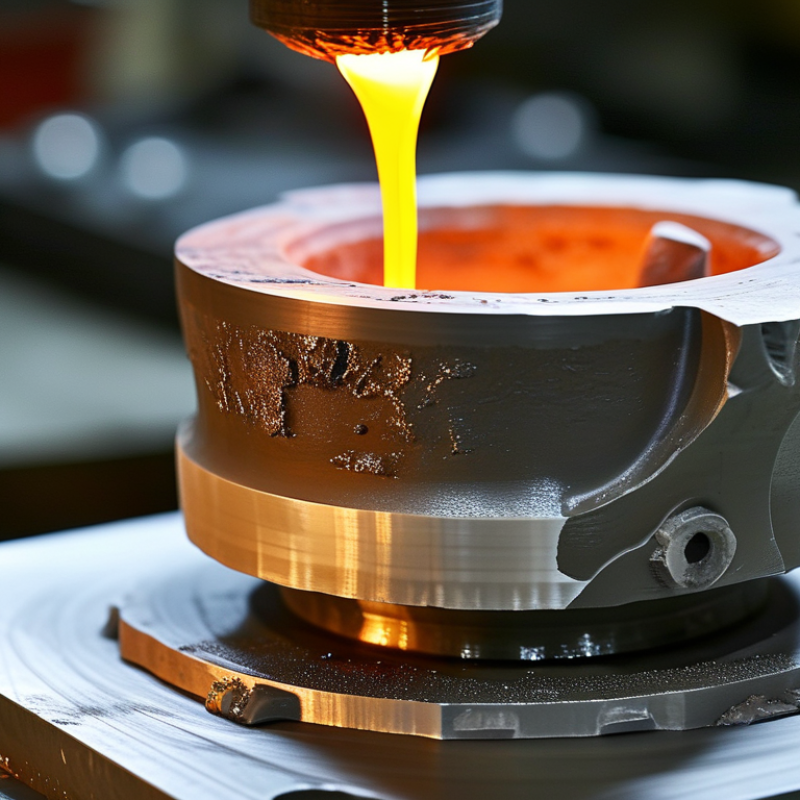
Stainless Investment Casting is a specialized manufacturing process. It creates precise stainless steel components for various industries. This method involves creating a wax model, which is then coated with a ceramic shell. Once the shell hardens, the wax is melted away. This leaves a hollow mold for the molten stainless steel to be poured in.
Many industries rely on this technique. Aerospace, automotive, and medical fields benefit from its accuracy. The resulting parts are often complex in design and require minimal finishing. However, achieving the perfect casting can be challenging. Factors like temperature and material consistency play a critical role. Even slight variations can result in defects.
Understanding Stainless Investment Casting requires both knowledge and experience. The method combines art and science. While the results can be remarkable, the process demands careful attention. Success in this field hinges on mastering the intricate details. It is a journey of continuous learning and improvement.
What is Stainless Investment Casting?
Stainless investment casting is a precision manufacturing process. It uses a wax pattern coated in ceramic to create intricate parts. This method is favored for its ability to produce complex geometries with excellent surface finish. According to industry reports, stainless investment casting has a higher dimensional accuracy compared to traditional casting methods, often reaching tolerances of ±0.5% or better.
The process begins with wax patterns. These patterns are melted away during the pouring process, leaving behind a hollow cavity. Molten stainless steel is then poured into this cavity to form the final product. Notably, this technique allows for reduced material waste. Research indicates that investment castings can save up to 25% on material costs, making it an economical choice for many industries.
Tips: Ensure the design is optimized for casting. Complexity can add to costs and time. Also, consider the choice of stainless steel alloy. Different alloys can impact strength, corrosion resistance, and machinability. While stainless investment casting offers many advantages, it's crucial to evaluate its suitability for your specific application. The quality of the final product heavily depends on the initial design and the pattern's integrity. Adjustments may be needed throughout the process for optimal results.
The History and Development of Investment Casting
Investment casting has a rich history that dates back thousands of years. The ancient Egyptians used this method to create intricate gold jewelry and small sculptures. Over time, this technique evolved significantly. The precision of investment casting became more refined during the Middle Ages when artisans crafted custom metal parts for weapons and armor. This advancement laid the groundwork for modern practices.
By the 20th century, investment casting gained momentum in the industrial sector. According to a 2021 market report, the global investment casting market was valued at over $19 billion. This growth was fueled by advancements in technology. Modern techniques allow for high precision and intricate designs that earlier craftsmen could only dream of. For instance, metal tolerances of just a few microns are now achievable, which enhances the overall performance of cast parts.
Despite these advancements, challenges remain. The investment casting process can be costly and time-consuming. Quality control can vary, affecting product outcomes. As industries demand more from this method, continuous improvement is essential. The future of investment casting hinges on innovation and adaptation to meet changing market needs. Efforts to streamline processes and reduce costs will likely shape its next chapter.
The Materials Used in Stainless Investment Casting
Stainless investment casting is a sophisticated process that transforms raw materials into intricate metal parts. The primary material used is stainless steel, renowned for its strength and resistance to corrosion. Various grades of stainless steel, such as 304 and 316, are commonly used in this process. According to a report by the Global Market Insights, the stainless steel investment casting market is projected to reach $12 billion by 2026. This growth signals the rising demand for durable components across industries.
The selection of materials in stainless investment casting is crucial. Each grade serves unique purposes. For instance, 316 stainless steel contains molybdenum, enhancing its corrosion resistance in marine environments. This characteristic makes it ideal for applications in the marine and chemical industries. However, not all stainless materials offer the same benefits. Some may exhibit issues, such as hardness variations or improper ductility.
Designing parts with stainless investment casting demands expertise. Engineers must consider factors like temperature tolerances and stress points. An inadequately designed part may lead to failures in practical applications. This process also involves controlling the quality of the raw materials. Fluctuations in the supply chain can impact the final results, leading to inconsistent properties. Balancing these factors is both an art and a science in the investment casting community.
The Steps Involved in the Investment Casting Process
Investment casting is a complex process used for creating precise and intricate stainless steel components. The process involves several key steps that ensure high-quality results.
Initially, a wax model of the desired part is created. This model is coated with a ceramic material, forming a shell. Once the shell is hardened, the wax is melted and drained away. This step is critical; any imperfections in the wax can affect the final product.
Next, molten stainless steel is poured into the empty shell. The casting cools, solidifying into the desired shape. After cooling, the ceramic shell is removed, revealing the stainless steel component. This stage requires careful handling to avoid any surface defects.
Tips: Ensure the wax model is free of imperfections. This can save time in the later stages. Always check the temperature of the molten steel, as it can drastically affect the casting quality.
Post-casting, the component often undergoes finishing processes like machining and polishing. These steps can enhance the surface finish but may also reveal hidden flaws. Reflection on these aspects is crucial for improvement.
Investment casting is both an art and a science. Attention to detail in each of these steps will lead to superior results. Be mindful and patient throughout the process.
Advantages and Applications of Stainless Investment Casting
Stainless investment casting is a precise manufacturing process. It offers key advantages such as versatility and efficiency. According to recent industry reports, the global investment casting market is projected to reach $18 billion by 2027. This growth highlights the increasing demand for stainless investment casting in various sectors.
The applications of stainless investment casting span across multiple industries. From aerospace to medical devices, the process ensures high-quality components with complex geometries. With the ability to create intricate designs, manufacturers can reduce the need for machining. This not only cuts costs but also enhances product integrity.
Tips: Always consider the material properties when selecting stainless steel grades. Different grades can affect durability and corrosion resistance. Regular assessments of the casting process can further improve quality and efficiency. Inadvertently, some companies may overlook the details, leading to suboptimal results. Constant exploration of best practices in stainless investment casting can yield significant benefits.
What is Stainless Investment Casting and How Does it Work?
| Aspect | Details |
|---|---|
| Definition | A manufacturing process that uses stainless steel to create precise and complex shapes through a mold. |
| Materials Used | Various grades of stainless steel including austenitic, ferritic, and martensitic types. |
| Process Steps | Wax pattern creation, mold making, pouring of molten metal, cooling, and wax removal. |
| Advantages | High precision, intricate designs, excellent surface finish, minimal waste of material. |
| Applications | Aerospace, medical devices, automotive parts, industrial equipment, and architecture. |