Sliding Door Systems Tips for Choosing the Best Option?
Choosing the right sliding door systems can be challenging. With many options available, you may wonder which one suits your needs best. These systems play a crucial role in interior and exterior design. They enhance both functionality and aesthetics in your space.
Consider the materials, styles, and mechanisms of sliding door systems. Each option has unique features. Some offer durability, while others focus on design. You may want a sleek glass door for a modern touch, or a solid wood option for warmth. Understanding your space’s requirements is key.
However, the decision process can be overwhelming. It’s easy to overlook important details, like weight capacity or maintenance needs. Reflecting on your priorities will help. A well-chosen sliding door system can transform your home. Do your research and consult experts for guidance. The right choice will enhance your living environment significantly.
Understanding the Types of Sliding Door Systems Available
When selecting a sliding door system, understanding the available types is crucial. There are several main categories to consider.
Bi-fold doors create a seamless indoor-outdoor transition. They open by folding back, offering wide, unobstructed views. Pocket doors slide into the wall, saving floor space. These are ideal for tight areas where traditional doors can't fit.
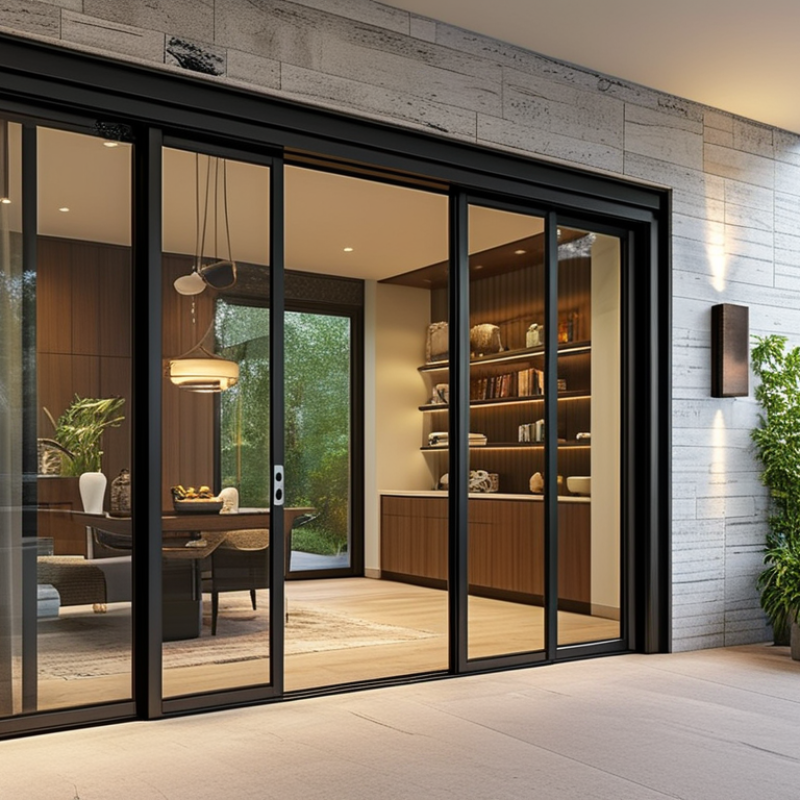
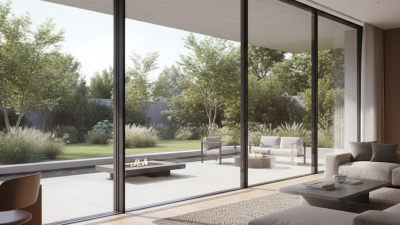
Another option includes sliding patio doors. These are popular for connecting living spaces to outdoor areas.
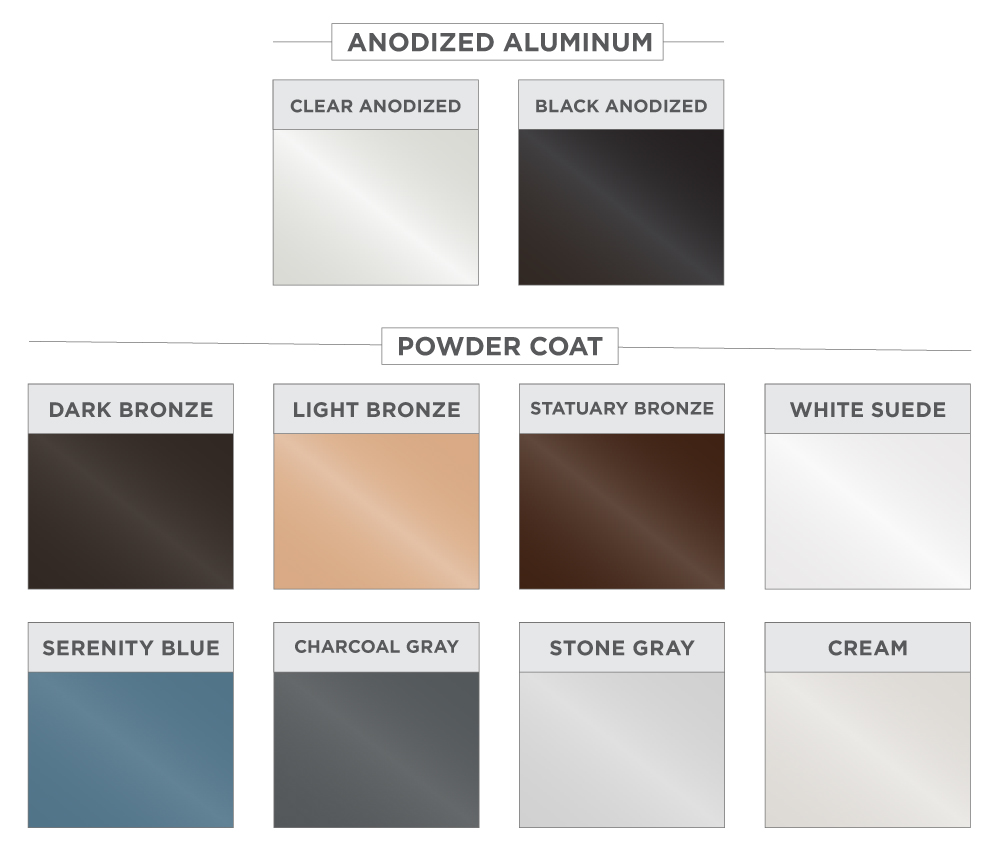
According to industry reports, the demand for sliding glass doors increased by 15% in the past year due to their aesthetic appeal and functionality. They offer flexibility in design, with options for various glass types, frames, and finishes.
It's important to reflect on your needs. Some systems may not be suitable for all climates. While glass doors provide natural light, they might incur higher energy costs if not properly insulated. Consider your local weather and energy efficiency requirements when choosing. Each type of sliding door has its pros and cons, so weigh them carefully to make an informed decision.
Evaluating the Material Options for Sliding Doors
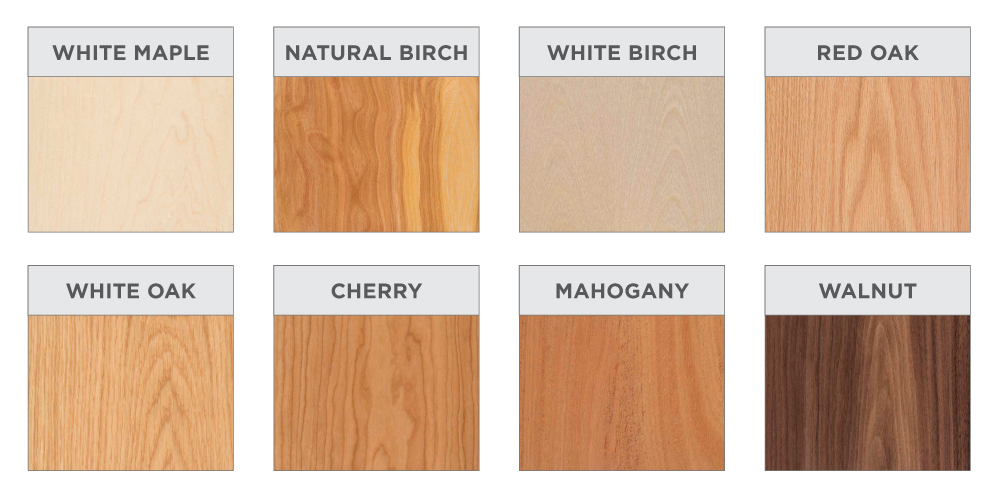
Choosing the right material for sliding doors is crucial. Various options offer unique benefits and drawbacks. Wood provides warmth and natural beauty, but it might warp or shrink with humidity. It requires regular maintenance to keep its appearance intact. Metal doors can be sleek and modern but might lack insulation.
Glass is a popular choice for its aesthetic appeal. It allows natural light but raises privacy concerns. Options like frosted or tinted glass can solve this issue.
Composite materials mix the benefits of wood and metal, providing durability and design flexibility. However, these solutions can be costly.
When selecting the material, think about your lifestyle and the environment. Each type has its characteristics that fit different spaces. Unexpected challenges may arise from your choice. Consider average temperature variations and humidity levels. This reflection can ensure your investment pays off over time.
Assessing the Space Requirements for Sliding Door Installation
When considering sliding door installation, assessing the space requirements is crucial. It's not merely about choosing a door; it’s about understanding your environment. Measure the area where you plan to install the door. Consider both the width and height of the opening. Also, think about the space on either side. Doors require room to slide open and closed without obstruction. It helps to visualize the flow of movement in the area too.
Take note of any furniture or fixtures near the door frame. Sometimes, the surrounding area can limit your options. If the door slides in an unusual direction, it might be less practical. Ensure the door's mechanics align with your daily activities. A well-fitted sliding door should enhance usability. However, if space is limited, you might reconsider a different style altogether.
Reflecting on the chosen design is important. A beautiful door may not function well in a cramped area. Poor planning can lead to frustrations later. Go back to your measurements and make sure they fit the lifestyle you envision. The right sliding door can enhance aesthetics and functionality, making careful assessment key to a satisfying home improvement.
Choosing the Right Style and Design for Your Sliding Doors
Selecting the right sliding door style can significantly impact the aesthetics and functionality of your space. It's essential to consider various factors, including the layout of your room and the overall design theme. For modern homes, sleek, frameless designs often suit contemporary settings perfectly. Meanwhile, traditional homes might benefit from wooden doors with rich finishes. Always visualize how the style will blend with your existing decor before making a decision. When choosing a sliding door design, think about the materials as well. Glass doors can create an illusion of space, making a room feel larger. On the other hand, solid wood can add warmth and an inviting vibe. If privacy is a concern, frosted glass options provide both elegance and functionality. Keep in mind how the door will operate and what tracks are appropriate for your selected style. One important aspect is how well the door fits the dimensions of your space. Measure accurately to avoid disappointment. It's often overlooked, but you want to ensure smooth operation. Sliding doors can sometimes stick or get misaligned. Regular maintenance can prevent this. Always prioritize functionality alongside aesthetics. The harmony of design and usability is the ultimate goal.
Considering Safety Features and Maintenance for Sliding Door Systems
When choosing sliding door systems, safety features are paramount. Look for options with tempered glass. This type of glass is less likely to shatter. Check for secure locks that prevent unauthorized access. Sliding doors can be vulnerable if not properly secured.
Maintenance is another critical aspect. Regularly lubricate tracks to ensure smooth movement. Tighten loose screws to avoid potential accidents. Inspect rollers periodically for wear and tear. Neglecting these details might lead to malfunction or safety hazards.
Sometimes, people overlook the need for safety sensors. These can prevent closure when an object is detected. Ensure that installation is done correctly. Improper installation can compromise safety features. Re-evaluate your choices based on how well they align with your safety and maintenance needs.
Sliding Door Systems: Key Features Evaluation
Related Posts
-
7 Essential Benefits of Sliding Door Systems for Global Buyers
-
Unlocking Quality: A Guide to Sourcing the Best Sliding Door Systems Suppliers
-
Top Strategies for Enhancing Efficiency in Sliding Door Systems
-
Ultimate Guide to Selecting the Best Sliding Door Systems for Your Projects
-
2026 Best Sliding Door Systems Which One Is Right for You
-

Navigating Tariff Challenges: How Custom Sliding Doors from China Thrive Amidst US-China Trade Tensions