How to Choose a Folding Gazebo for Your Needs?
Choosing a Folding Gazebo is less about picking the largest canopy and more about matching it to real use. A farmers’ market stall, a shaded patio, and a weekend campsite place different demands on the frame, roof, and carrying case. Picture setting up on uneven grass with a light breeze: a wide canopy may offer welcome shade, but it can also be harder to secure and transport. Small details matter.
Start by considering where and how often the gazebo will be used. Check the canopy dimensions, packed size, frame material, and stated setup requirements. Steel frames are often sturdy but can be heavy; aluminum models are generally easier to carry, though their design and build quality vary. Look for clear product specifications rather than relying on vague claims like “all-weather.” No pop-up canopy should be treated as safe in strong winds. Follow the maker’s anchoring guidance and take it down when conditions become unsuitable.
Convenience deserves a practical test. Can one person lift the packed unit? Do the legs adjust easily? Is the roof fabric replaceable if a branch scuffs it? These questions may seem minor until setup day. I have found that shoppers can focus too much on price or appearance; I would pause and compare the full kit, including stakes, sidewalls, and warranty terms. A lower-cost option may still fit occasional use, but it may not suit frequent events. The right choice depends on your space, weather exposure, transport needs, and willingness to maintain it. A careful comparison now can prevent a frustrating afternoon later.
Understanding What a Folding Gazebo Is
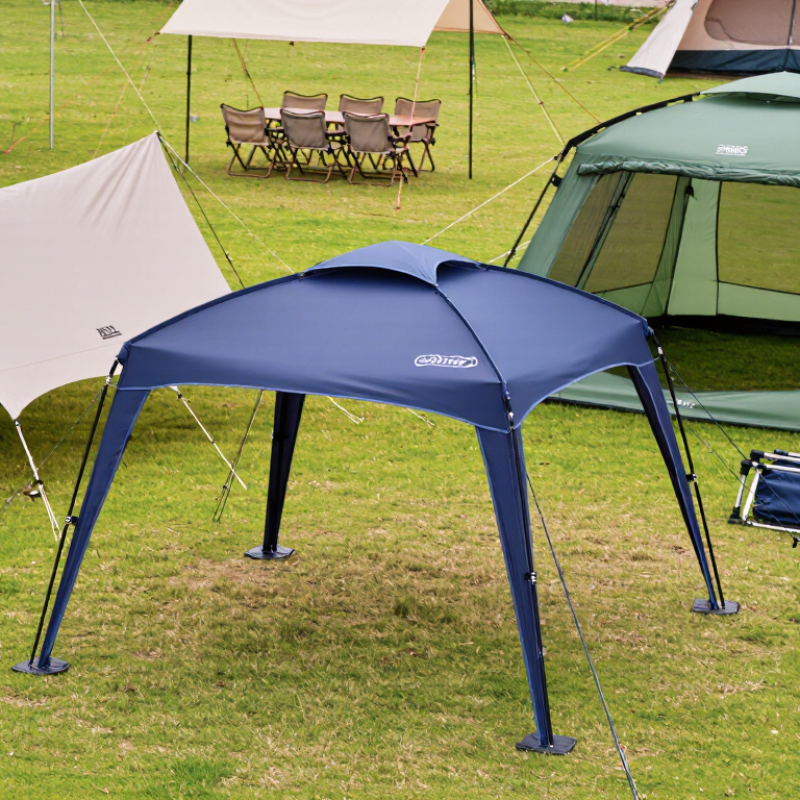
A folding gazebo is a temporary outdoor shelter with a collapsible frame and a fabric canopy. The frame usually opens into a square or rectangular shape, then folds down for storage. Many models use steel or aluminum legs and a polyester canopy. Check the packed dimensions, frame weight, and locking joints before choosing one. A shelter that fits in your car but feels awkward to lift may not be practical. Small detail, big difference.
The Outdoor Industry Association’s 2023 Outdoor Participation Trends Report found that 175.8 million Americans took part in outdoor recreation in 2022. That figure does not measure gazebo use, but it shows how many people spend time outside, where shade and a dry place to sit can matter. A folding gazebo can provide both for a picnic, market stall, or garden gathering. It is not a permanent structure, and it should not be treated as protection from severe wind or storms. Canopy fabric, anchoring points, and frame design all affect stability. Read the manufacturer’s setup and weather guidance, and practise opening the frame before your event. It may take longer than expected. A useful gazebo is one you can assemble safely and carry without help.
How to Choose a Folding Gazebo for Your Needs? - Understanding What a Folding Gazebo Is
A folding gazebo, often called a pop-up canopy, is a portable shelter with a collapsible frame and a fabric roof. Compare the factors below to match a gazebo to your intended use.
| Decision Factor | What to Look For | Typical Options or Considerations | Best Suited For |
|---|---|---|---|
| Intended use | Choose a design suited to how often and where you will use it. | Light-duty models prioritize portability; sturdier frames are generally better for frequent setup and repeated use. | Occasional picnics, backyard shade, markets, sports events, or regular outdoor work. |
| Footprint | Check the canopy dimensions and the space needed for legs, guy lines, and access. | Common square sizes include 8 × 8 ft, 10 × 10 ft, and 12 × 12 ft. A 10 × 10 ft canopy covers 100 sq ft before accounting for frame shape or sloping edges. | Smaller groups or limited spaces: compact sizes. Larger groups or equipment: larger footprints, if the site allows. |
| Usable clearance | Review peak height, side clearance, and whether the legs or roof slope reduce usable space. | Maximum peak height is not the same as headroom at the edges. Compare the manufacturer’s frame and clearance measurements. | Standing, serving tables, displays, or moving equipment under the canopy. |
| Frame material | Consider weight, corrosion resistance, rigidity, and ease of carrying. | Steel frames are often heavier; aluminum frames are generally lighter and resist rust, though strength depends on the design and construction. | Choose lighter frames for frequent transport and sturdier construction for regular use. |
| Canopy fabric | Check fabric specifications, seams, water resistance, and UV-related claims. | Polyester is commonly used. A water-resistant roof is not necessarily waterproof, and fabric performance varies by coating, construction, and care. | Sun protection, light showers, or general outdoor shelter—according to the product’s stated rating. |
| Portability | Compare packed size, total weight, carry bag, and whether one person can manage setup. | Frame, roof, sidewalls, and accessories all add weight. Check the complete packed weight rather than the frame weight alone. | Travel, events with limited storage, or setups that require carrying the shelter between locations. |
| Setup and adjustment | Look for a clear locking system, adjustable legs, and instructions for safe assembly. | Many folding frames expand by hand, but setup time depends on the design and number of people. Follow the maker’s instructions and keep hands clear of joints. | Users who need quick assembly or plan to set up and pack down frequently. |
| Anchoring and stability | Confirm what anchoring equipment is included and how the shelter can be secured on the intended surface. | Stakes may suit suitable soil; weights can be useful on hard surfaces. Use appropriate anchors at each leg and follow the manufacturer’s guidance. | Outdoor sites where wind exposure, surface type, and foot traffic must be considered. |
| Weather limits | Check stated wind and weather guidance before use. | Folding gazebos are temporary shelters, not permanent structures. Do not use in thunderstorms or severe weather; take down the canopy when conditions exceed its specified limits. | Responsible use in fair weather, with a plan to dismantle the shelter when conditions change. |
| Sidewalls and accessories | Check compatibility, attachment method, and whether accessories are included or sold separately. | Sidewalls can provide added shade or screening, but may increase wind resistance. Weights, replacement tops, and carry bags may also be separate items. | Markets, changing shade needs, privacy, or protection from low-angle sun. |
Selection tip: Measure the setup area, including room for anchors and movement around the legs. Verify the product’s actual dimensions, weight, care instructions, and weather limitations before purchase.