Skip to content

How to Choose the Best PEMF Foot Machine?

Choosing the best Pemf Foot Machine requires more than comparing prices or counting preset programs. A useful choice begins with your actual routine, comfort needs, and health circumstances. Some users want gentle sessions after standing all day. Others prefer adjustable intensity, simple controls, or a compact design for home use. The right device should fit your feet comfortably, remain stable on the floor, and provide clear operating instructions.

Look closely at waveform information, intensity ranges, session timers, electrode placement, and cleaning requirements. Reliable manufacturers should explain testing procedures, product limitations, warranty coverage, and customer support. Independent reviews can reveal practical details, such as whether the foot platform feels slippery or the controls are difficult to read. However, reviews are personal experiences, not clinical proof. Marketing language may sound impressive. Evidence matters more.

Safety deserves careful attention. A Pemf Foot Machine should not be treated as a cure for disease or a replacement for professional care. People with implanted electronic devices, certain medical conditions, pregnancy, or unexplained foot symptoms should seek medical advice before use. Always follow the manufacturer’s instructions and stop if discomfort, dizziness, or unusual symptoms occur. Features are not everything. A quiet motor and clear manual may matter more than ten extra programs. I also admit that choosing can feel uncertain, because long-term evidence and product quality vary between brands. This guide examines those weaknesses honestly, helping readers compare performance, usability, safety information, and overall value before purchasing.
How to Choose the Best PEMF Foot Machine?

What Is a PEMF Foot Machine and How Does It Work?

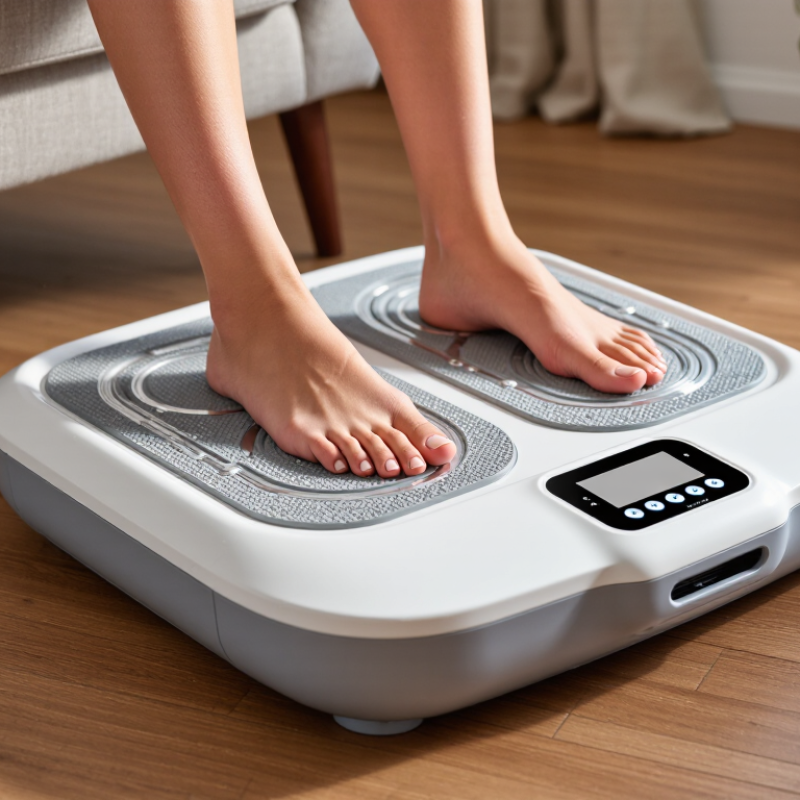
A PEMF foot machine uses pulsed electromagnetic fields to create changing magnetic signals. These signals may induce weak electrical currents in nearby tissues. The device does not massage the feet. It also does not produce therapeutic heat. Most users feel little or nothing during a session. Frequency, magnetic flux density, waveform, and session length shape its output.

According to Grand View Research’s 2024 market report, the global PEMF devices market is expanding steadily, reflecting growing consumer interest. Market growth does not prove medical effectiveness. The U.S. Food and Drug Administration has cleared certain PEMF devices for specific medical uses, including bone healing. That clearance does not cover every foot-related claim. A 2023 review in Bioelectromagnetics also noted inconsistent study designs and treatment settings. The evidence remains uneven.

When choosing a PEMF foot machine, check its published frequency and intensity ranges. Look for independent testing, clear operating instructions, and a stable foot platform. A timer and adjustable intensity can make daily use easier.

Avoid products that promise to cure neuropathy, poor circulation, or chronic disease. People with implanted electronic devices should seek medical advice before use. Pregnancy and active medical conditions also require professional guidance. Some specifications look impressive but lack clinical context. That is a problem. A thoughtful choice compares measurable settings, safety information, and realistic evidence rather than relying on dramatic testimonials.
Which Health Goals Should Guide Your PEMF Foot Machine Choice?

How to Choose the Best PEMF Foot Machine?

Your health goal should decide the device, not a dramatic product promise. For persistent foot or leg pain, check the waveform, intensity range, session time, and safety instructions. The U.S. National Center for Health Statistics reported that 20.9% of American adults had chronic pain in 2021. Pain relief is therefore a reasonable goal, but PEMF should support clinical care, not replace diagnosis.

For recovery and mobility, choose a machine that allows comfortable sessions after walking or physical therapy. The World Health Organization’s 2022 Global Status Report found that 31% of adults worldwide were insufficiently active. Gentle use may fit a broader movement plan. It cannot compensate for sitting all day. For cold feet, swelling, diabetes, or suspected circulation problems, seek medical assessment first. These symptoms may need vascular or neurological testing, not stronger stimulation.

For bone-healing goals, verify the exact medical indication. The U.S. Food and Drug Administration recognizes specific PEMF applications, including certain bone-growth uses, but clearance does not mean universal effectiveness. Read the clinical evidence carefully. Results vary. I would also avoid choosing by maximum intensity alone; stronger is not automatically better. A qualified clinician can review implants, pregnancy, skin sensitivity, and medication-related risks before use. Industry marketing often sounds more certain than the research, and that gap deserves attention.

How to Choose the Best PEMF Foot Machine? – Which Health Goals Should Guide Your PEMF Foot Machine Choice?
Health Goal or Use Case Features to Prioritize Practical Specification Guidance Suggested Session Approach What to Check Before Buying Evidence and Safety Perspective
General relaxation and daily wellness Simple controls, comfortable foot placement, low operating noise, and an automatic timer Look for adjustable intensity and multiple preset programs rather than a single fixed setting Begin with the lowest comfortable intensity and follow the operating manual; avoid increasing intensity solely to obtain faster results Confirm that the platform is stable, easy to clean, and large enough to support both feet comfortably PEMF devices should not be presented as a substitute for sleep, exercise, medical care, or stress-management practices
Temporary relief of foot or ankle discomfort Adjustable intensity, localized foot coverage, clear controls, and a short-session timer Choose a model that allows gradual adjustment and does not require users to tolerate strong sensations Use only as directed. Stop if pain, numbness, skin irritation, dizziness, or unusual symptoms occur Check whether the device is intended for the specific body area and whether its instructions explain limitations and contraindications Evidence for PEMF varies by device and condition. Pain relief claims should be evaluated cautiously and should not delay diagnosis of persistent pain
Exercise recovery and muscle comfort Repeatable programs, adjustable session duration, and a design that can be used without restricting normal recovery routines A programmable timer and saved settings are more useful than a large number of poorly explained modes Use alongside hydration, rest, mobility work, and appropriate training-load management Review whether the device has clear instructions for frequency of use and whether the control panel is easy to read PEMF is not a replacement for treatment of an acute injury. Seek professional assessment for swelling, deformity, severe pain, or loss of function
Support for circulation-related comfort Comfortable, non-constrictive foot support and a conservative intensity range Do not select a product solely because it advertises improved circulation; verify the intended use and available safety information Use only after discussing the product with a healthcare professional if you have a diagnosed vascular condition Check for warnings concerning blood clots, vascular disease, reduced sensation, implanted electronic devices, and pregnancy A PEMF foot machine should not be used to diagnose or treat a suspected clot, severe circulation problem, or unexplained swelling
Neuropathy, reduced sensation, or diabetes-related foot concerns Low-intensity control, conservative presets, visible status indicators, and easy supervision Prioritize safety information and professional guidance over maximum intensity, frequency, or marketing claims Consult a qualified healthcare professional before use, especially when sensation is reduced or wounds are present Inspect the feet before and after use; verify whether the instructions prohibit use on open wounds, infected skin, or areas with impaired sensation Reduced sensation can make it difficult to notice heat, pressure, or irritation. PEMF should not replace diabetes foot care or clinical treatment
Joint stiffness or mobility support Foot and ankle coverage, adjustable programs, easy setup, and a timer that supports consistent use Select a device with transparent technical specifications, including waveform information when available and clearly stated output limits Combine with clinician-approved movement and stretching; discontinue use if symptoms worsen Check whether the device is designed for wellness use or has a specific regulated indication in your jurisdiction PEMF performance cannot be judged from frequency alone. Device output, waveform, coil design, treatment area, and protocol all matter
Convenience for home use Compact construction, low weight, automatic shutoff, readable controls, and a reliable power supply Compare product dimensions, cord length, storage requirements, warranty terms, and return policy Choose a routine that fits your schedule rather than selecting a device with complicated settings you are unlikely to use Look for a complete user manual, electrical safety information, cleaning instructions, and accessible customer support Home-use convenience does not establish effectiveness. Avoid products that promise universal results or guaranteed cures
Use with an implanted electronic medical device Clear electromagnetic compatibility warnings and manufacturer guidance Do not rely on generic statements such as “safe for everyone”; obtain specific advice before use Do not use until a healthcare professional and the relevant device manufacturer confirm compatibility Check warnings for pacemakers, implanted cardioverter-defibrillators, neurostimulators, insulin pumps, and other electronic implants Electromagnetic fields may interfere with some implanted or wearable medical devices. Professional clearance is essential
Comparing technical specifications Transparent reporting of frequency, magnetic flux density, waveform, coil arrangement, treatment area, and timer range Frequency is commonly reported in hertz, while magnetic flux density may be reported in gauss or millitesla; 1 millitesla equals 10 gauss Compare devices using the complete specification set and the actual intended protocol, not one headline number Confirm that specifications are measured or documented consistently and that the manual explains how settings affect output There is no single specification that identifies the “best” PEMF device for every goal; suitability depends on the user, condition, and intended use
Important: PEMF foot machines are not interchangeable with approved medical treatments. Follow the device manual and consult a qualified healthcare professional before use if you are pregnant, have a medical condition, have reduced sensation, have an implanted electronic device, or take medication for a vascular or neurological condition.

How to Compare PEMF Intensity, Frequency, and Treatment Settings

How to Choose the Best PEMF Foot Machine?

Compare the settings, not just the display. Intensity may appear in millitesla (mT) or gauss (G); 1 mT equals 10 G. Check whether the number shows peak strength or average strength. These values are not interchangeable. Frequency, measured in hertz (Hz), describes each pulse. A 10 Hz program feels different on paper from a 50 Hz program, even when intensity matches. Professional reviews report wide protocol variation, so no single setting is proven best for every foot condition. The Cochrane review on PEMF for osteoarthritis found possible pain benefits, but the evidence quality remained low or very low.

Look for adjustable intensity, frequency, pulse shape, session time, and duty cycle. A practical machine should explain these terms in its manual. It should also show whether both feet receive similar field strength. The foot position matters; a heel placed off-center may receive less exposure than the arch. I would measure comfort after ten minutes, not judge performance from a bright control panel. Small details matter.

Safety data deserves equal attention. The 2020 ICNIRP guidelines provide exposure guidance for low-frequency electromagnetic fields, but they do not establish therapeutic settings. Regulatory clearance, where applicable, is indication-specific, not proof for every use. Keep treatment records: frequency, intensity, duration, and symptoms. My checklist is imperfect. A clinician should review persistent pain, numbness, swelling, or implanted-device concerns before regular use.

What Safety Features and User Comfort Factors Matter Most?

How to Choose the Best PEMF Foot Machine?

A safe PEMF foot machine should make its limits clear. Look for adjustable intensity, a reliable timer, and automatic shutoff. These controls reduce accidental overuse during relaxed sessions. A clear display also helps users track settings without guessing. The surface should remain stable on the floor, even when socks feel slightly slippery. Check whether the electrical cable looks protected and firmly attached. Small details matter.

User comfort affects whether the machine becomes part of a routine. A contoured platform can support the heels without creating pressure points. Soft padding may feel pleasant, but it should not trap excessive heat. Quiet operation matters during reading, remote work, or evening use. Easy cleaning is practical, especially when several people share the device. I once treated a noisy motor as unimportant. That was a mistake.

Professional guidance remains sensible for people with implanted electronic devices, serious medical conditions, or unusual symptoms. PEMF research is developing, and results can differ between users. Choose instructions that explain session length, intensity, and intended use plainly. Avoid products making dramatic medical promises without credible evidence. Stop using the machine if discomfort, dizziness, skin irritation, or unusual sensations occur. A short session may be wiser than chasing stronger settings. Comfort is not proof of effectiveness, but discomfort should not be ignored.

How to Choose the Best PEMF Foot Machine?

This neutral 0–5 priority framework emphasizes automatic shutoff, adjustable intensity, clear operating controls, comfortable foot support, and easy cleaning. Always review the user manual and consult a qualified healthcare professional when safety concerns apply.

How to Evaluate Quality, Price, Warranty, and Customer Support

How to Choose the Best PEMF Foot Machine?

Quality should be judged beyond polished packaging. Check the device’s frequency range, intensity settings, applicator coverage, and control accuracy. Clear technical specifications matter more than dramatic promises. A reputable seller should provide safety guidance, testing information, and realistic use instructions. Look for sturdy cables, washable surfaces, and controls that remain readable in low light. Small details matter.

Price deserves careful comparison. A cheaper unit may lack adjustable settings, responsive support, or durable materials. However, a higher price does not automatically prove better performance. Compare included accessories, delivery fees, return conditions, and replacement costs. I would calculate the cost per year, not only the checkout total. That approach is useful, but still imperfect.

Warranty terms reveal how confidently a manufacturer supports its product. Read the coverage period, exclusions, repair process, and shipping responsibilities. A clear warranty is stronger than vague assurances. Customer support should answer technical questions before purchase, not only after payment. Test the contact channel with specific questions about setup and maintenance. Notice the reply time. Keep screenshots and receipts. Independent reviews can add perspective, although some may reflect limited experience or undisclosed incentives. I would also check whether instructions explain who should avoid use or seek professional advice. That caution can feel inconvenient, yet it protects better decision-making.