Skip to content

How to Choose the Best Commercial Sliding Doors for Your Business?

When selecting the right commercial sliding doors for your business, several key factors come into play. These doors offer both functionality and style, making them a popular choice in various commercial settings. They provide easy access for customers and enhance the aesthetic appeal of your premises. However, not all sliding doors are the same; they vary in materials, design, and features.

Choosing the best commercial sliding doors requires careful consideration of your specific needs. The right doors should align with your brand identity and operational requirements. Investing in high-quality doors enhances security and energy efficiency. Consider durability and maintenance demands as well. Opting for the cheapest option might save you money initially, but it could lead to higher long-term costs.

In this guide, we will explore various aspects of commercial sliding doors. We'll discuss their benefits, materials, and features. You’ll gain insights into how to make a well-informed choice for your business's unique environment. Make sure to weigh your options thoughtfully, as the right decision can significantly impact your business operations.
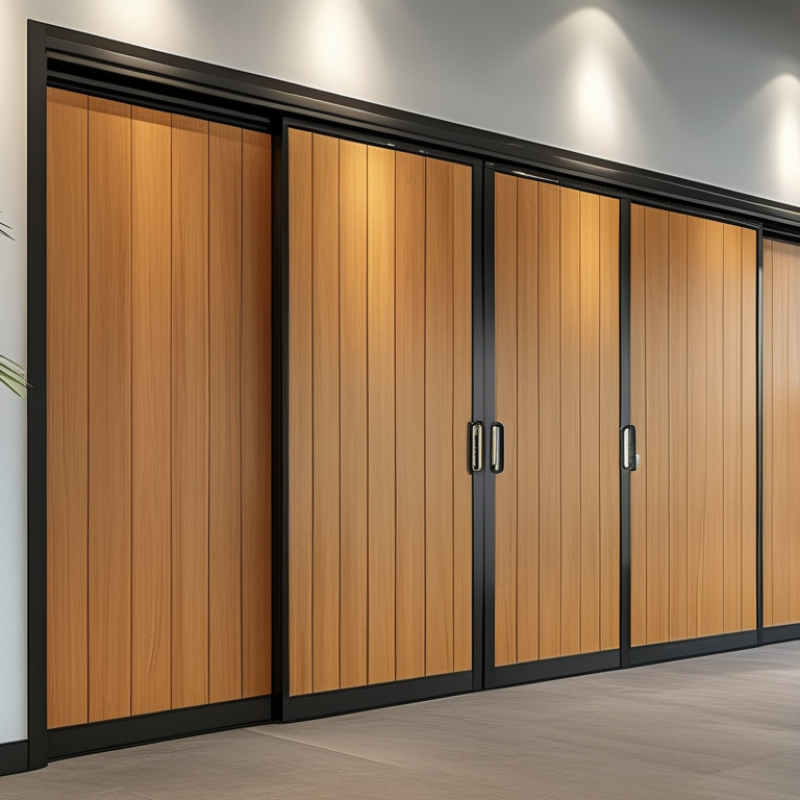
How to Choose the Best Commercial Sliding Doors for Your Business?

Understanding the Different Types of Commercial Sliding Doors

Commercial sliding doors come in various types, each designed for specific needs. Aluminum framed doors are popular for their durability. They can withstand frequent use, ideal for busy environments. Meanwhile, glass sliding doors offer a contemporary look. They provide visibility while maintaining energy efficiency. A recent report indicates that businesses with well-designed sliding doors can increase foot traffic by up to 30%.

Consider the material when selecting a door type. Stainless steel sliding doors are resistant to corrosion, making them suitable for areas exposed to moisture. On the other hand, vinyl sliding doors are lighter and often less expensive. However, they may not offer the same level of security. Business owners should assess their needs to avoid making costly mistakes.

The mechanism of operation is also crucial. Automatic sliding doors can enhance the customer experience. They improve accessibility, particularly for individuals with disabilities. However, maintenance is essential. Regular checks can prevent malfunctions. A survey revealed that nearly 40% of business owners overlook this aspect, leading to unexpected costs. Addressing these factors ensures the chosen door complements your business environment effectively.

Comparison of Different Types of Commercial Sliding Doors

Evaluating Material Options for Durability and Aesthetics

When selecting commercial sliding doors, material choice is crucial for both durability and aesthetics. Common materials include aluminum, glass, and wood. Aluminum is lightweight and resistant to corrosion, making it ideal for high-traffic areas. Glass offers a modern appearance, allowing natural light to flow through, but may require more maintenance. Wood adds warmth and character but can be susceptible to wear and environmental factors.

According to a recent industry report, nearly 70% of businesses prefer aluminum due to its longevity and low maintenance costs. While glass doors can enhance visual appeal, about 40% of companies find them challenging to maintain in high-usage settings. Caution: consider your location and climate when choosing the right material.

Tips: Always assess the traffic your doors will endure. Consult professionals for insights on expected wear. Evaluate the cleaning requirements of each material before making a decision. A balance between design and functionality is key to maximizing your investment.

Assessing Size and Space Requirements for Optimal Functionality

When selecting commercial sliding doors, it’s crucial to assess your size and space requirements. This ensures the doors function optimally within your business environment. Start by measuring the opening where the doors will be installed. Consider both the width and height. A wider door can facilitate better traffic flow. Pay attention to ceiling height as well; too low can cause issues with operation.

Tips: Use a tape measure for accuracy. It's better to double-check measurements. Small discrepancies can lead to significant problems later.

Evaluate the space around the door. Ensure there’s enough room for the sliding mechanism. If space is limited, consider pocket sliding doors. They slide into the wall, saving room while providing accessibility.

Tips: Note any potential obstructions nearby. This can range from furniture to lighting fixtures. Always visualize how people will move through the area.

Lastly, think about user interaction. High-traffic areas may need heavier-duty doors. Consider how frequently they will be used. If the doors will see a lot of action, durability is essential. Yet, it's important to reflect on the aesthetics too. Your choice should align with your overall business atmosphere.

Considering Security Features and Safety Standards

When selecting commercial sliding doors, security features and safety standards become paramount. A recent report from the National Institute of Standards and Technology indicates that businesses face increased risks of theft and vandalism. Ensuring that your sliding doors meet recognized safety standards is essential. Look for doors that comply with ANSI/BHMA Grade standards, as these provide a reliable benchmark for durability and security.

Choosing doors with tempered glass or reinforced frames adds another layer of protection. A survey by the Security Industry Association highlights that 70% of break-ins occur through unsecured access points. Thus, consider models equipped with high-security locks, which can significantly reduce the risk of unauthorized entry. Regular maintenance and inspections are crucial, as wear and tear can compromise security.

Another key consideration is the fire safety aspect of sliding doors. The International Building Code mandates specific fire ratings for commercial properties. Doors that meet these standards are vital for safeguarding employees and customers. Investing in options that feature self-closing mechanisms enhances compliance with fire safety regulations. Balancing aesthetics and functionality is necessary, yet security should never be compromised in the process.

Analyzing Cost vs. Value for Your Business Investment

When analyzing the cost versus value of commercial sliding doors, understanding the long-term impact is crucial. A report from the Door & Access Systems Manufacturers Association (DASMA) indicates that high-quality sliding doors can lead to a 25% reduction in energy costs. This reduction can be significant for businesses with heavy foot traffic, such as retail stores and restaurants.

Investing in energy-efficient sliding doors not only saves money but also enhances customer experience. A study by the American Society of Heating, Refrigerating and Air-Conditioning Engineers (ASHRAE) shows that buildings with proper thermal performance can improve comfort, leading to increased customer retention. The upfront cost of quality sliding doors may seem high, but the potential savings and increased patronage often justify the investment.

However, businesses must also consider installation and maintenance costs. Poorly installed doors can lead to operational inefficiencies. Furthermore, if a door requires frequent repairs, it may negate the initial savings. It’s essential to analyze the total cost of ownership. While the benefits of durable and energy-efficient doors are evident, reflection on the investment process is necessary. Are the doors providing the expected value? These are questions every business should ask.