Skip to content

How to Choose the Best Storage Tank Insulation for Your Needs?

Choosing the right storage tank insulation is crucial for optimizing both efficiency and safety. Proper insulation can prevent energy loss and protect against temperature fluctuations. As industries look to cut costs, the importance of effective insulation grows.

Different materials offer various benefits and drawbacks. Some options might seem appealing initially but fail to deliver long-term performance. Evaluating these choices requires careful consideration. Effective storage tank insulation should align with specific operational needs and environmental conditions.

Conversations around insulation often highlight numerous technical specifications. However, it's vital to consider real-world performance. Not all products meet the high standards expected, and some might require additional maintenance. Ultimately, recognizing these nuances can lead to a more informed decision.
How to Choose the Best Storage Tank Insulation for Your Needs?

Understanding the Importance of Storage Tank Insulation

Storage tank insulation plays a crucial role in energy efficiency. It minimizes heat loss or gain, which can significantly impact storage temperatures. Proper insulation helps maintain the desired temperature for liquids, whether they are heated or cooled. This is especially important in industries like food and pharmaceuticals, where temperature control is critical.

Tip: Consider the climate and environment where the tank is located. If you are in a region with extreme temperatures, you may need thicker insulation.

The right insulation also reduces energy costs over time. An insulated tank requires less energy to maintain the same temperature. This can lead to lower utility bills and a reduced carbon footprint.

Tip: Look for insulation materials that are durable and moisture-resistant. They will ensure better long-term performance and reduced maintenance.

Sometimes, choosing the best insulation can feel overwhelming. Balancing budget, effectiveness, and installation can be challenging. It’s important to review various insulation types and consider their long-term benefits versus the upfront costs. Failure to choose wisely may lead to future complications, like increased energy use or even structural damage.
Types of Insulation Materials for Storage Tanks

When selecting insulation materials for storage tanks, various options exist. Each type has its unique properties and benefits. Understanding these materials can help in making informed decisions tailored to specific needs.

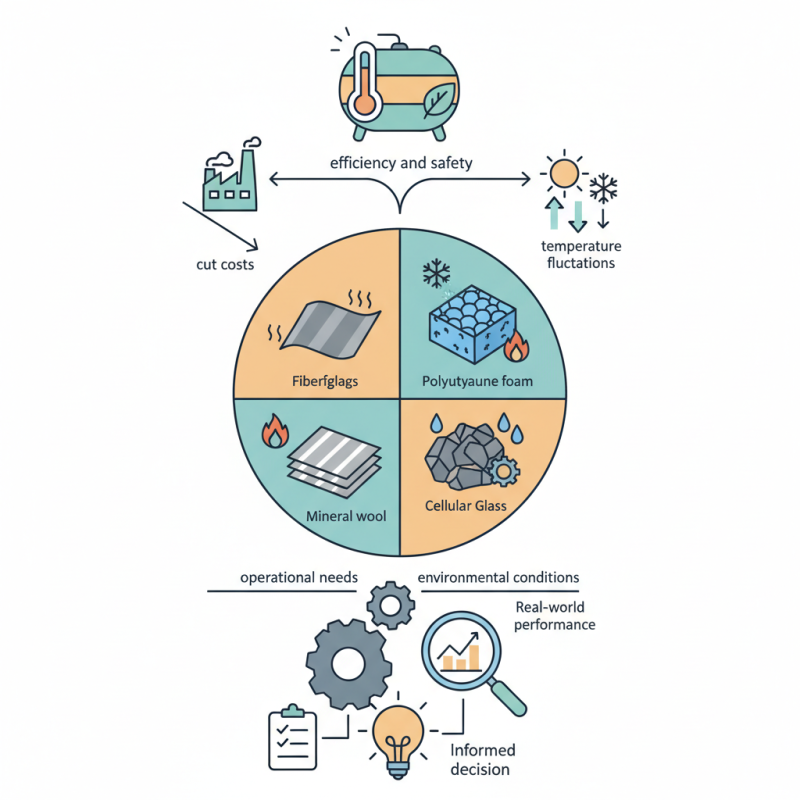
Fiberglass insulation is popular due to its excellent thermal resistance. It is lightweight and easy to install, making it a practical choice for many applications. However, it can absorb moisture and may not perform well in humid environments. Polyurethane foam is another efficient option, offering high insulation values and excellent moisture resistance. This material can also be molded to fit complex shapes, reducing gaps that lead to heat loss.

Another consideration is mineral wool. This type is fire-resistant and provides good sound insulation. It is suitable for high-temperature environments but can be heavier and more difficult to handle. Each option has trade-offs. There’s no one-size-fits-all solution, and the choice should reflect specific operational conditions and future challenges. Understanding these variables is crucial in selecting the most reliable insulation for storage tanks.

Factors to Consider When Selecting Insulation for Your Needs

Choosing the right storage tank insulation can greatly affect energy efficiency. Several factors come into play. Assessing your specific needs is crucial. Consider the type of liquids stored. Different materials have unique thermal properties. This can impact heat retention and energy costs.

Material selection is another essential aspect. Fiberglass, polyurethane, and mineral wool are popular choices. Each has varying insulation values and moisture resistance. Think about the tank's environment too. If the tank is exposed to external elements, choose insulation that can withstand that exposure.

Tips: When measuring insulation thickness, ensure it meets your temperature control requirements. It's wise to consult with insulation experts to better understand your options. Don't forget about the installation process; a poor installation can negate any benefits. Always ask about warranties and long-term support for your chosen insulation. Making an informed choice helps save on energy costs.

Evaluating Energy Efficiency and Cost-Effectiveness

Selecting the right insulation for storage tanks is crucial for energy efficiency and cost savings. Insulation impacts how much energy is needed to maintain temperatures. According to a recent industry report, effective insulation can reduce energy costs by up to 30%. This statistic highlights the necessity of evaluating insulation materials carefully.

Cost-effectiveness also plays a significant role in the selection process. High-quality insulation might come at a higher upfront cost. However, the long-term savings through reduced energy consumption justify the investment. A study indicates that over five years, superior insulation choices lead to a 20% reduction in operational costs.

Investing in insulation isn't always a straightforward decision. Environmental conditions, tank size, and desired temperature maintenance greatly influence insulation effectiveness. Some materials may perform excellently under specific circumstances but poorly under others. It is essential to analyze all variables and choose insulation that meets your unique needs. This complexity requires thorough assessment and expert guidance to achieve optimal results.

Installation and Maintenance Tips for Storage Tank Insulation

Choosing the right insulation for storage tanks is crucial for efficiency. Proper installation ensures optimal performance. Insulation helps maintain temperature, reducing energy costs significantly. Studies suggest that effective insulation can lead to energy savings of up to 30%.

Installation requires careful planning. Start by assessing the tank’s shape and existing conditions. Ensure surfaces are clean and dry before applying insulation materials. It’s paramount to avoid gaps or improper seals, as even small leaks can compromise efficiency. Regular inspections are essential. Over time, insulation can degrade, leading to potential heat loss.

Maintenance plays a pivotal role in sustainability. Check for signs of wear or moisture accumulation. Insulation can absorb water, which reduces its effectiveness. Replace damaged sections promptly to maintain energy efficiency. Documenting each inspection can help track performance and identify patterns that need attention. Making small adjustments can yield significant benefits.