How to Choose the Best Door Switches for Your Business Needs?
Choosing the best door switches for your business is crucial. The right switch can significantly impact safety and operations. Industry expert John Smith once noted, “Quality door switches are the backbone of a secure facility.” Their reliability and performance are essential factors.
Door switches manage access and control environments. In warehouses or commercial buildings, the wrong switch may lead to safety issues or operational delays. Every business has unique needs. Understanding these can help in selecting the appropriate door switches.
Many options exist, and not every switch fits every application. Reflect on your specific requirements. Consider durability, functionality, and ease of installation. Sometimes, industry standards are not clear. Finding trustworthy suppliers can benefit your decision-making process. Choosing wisely can save money and enhance efficiency.
Understanding the Functionality of Door Switches in Business Settings
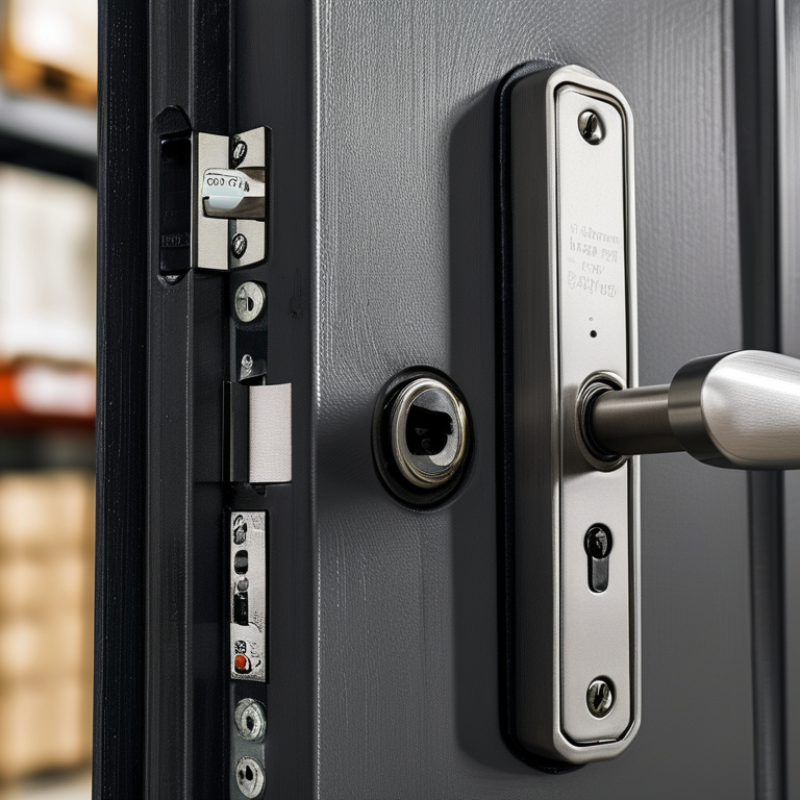
Understanding the functionality of door switches in business settings is crucial for optimizing operations. Door switches serve as essential components that manage access and monitor traffic. According to industry reports, businesses that implement effective door switches can reduce unauthorized access by up to 40%. This statistic showcases their role in enhancing security and protecting assets.
In practical use, door switches can be found in various applications, from office buildings to warehouses. They help ensure doors are only opened when necessary. For instance, a well-placed door switch can improve energy efficiency by ensuring lights and HVAC systems operate only in occupied spaces. A study revealed that businesses utilizing automatic door switches saw energy savings of up to 25%. This highlights the potential operational benefits of integrating door switches.
Despite the clear advantages, challenges remain. Many businesses still overlook the maintenance needs of these systems. Neglecting regular inspections can lead to malfunctioning switches, ultimately compromising security. Businesses should continuously evaluate their systems to ensure reliability. The choice of door switch must align with the specific needs of the environment while addressing potential limitations and reflecting on operational efficiency.
How to Choose the Best Door Switches for Your Business Needs?
| Switch Type | Functionality | Suitability | Installation Complexity | Cost Range |
|---|---|---|---|---|
| Magnetic Switch | Detects door position | Retail Stores, Offices | Easy | $10 - $50 |
| Push Button Switch | Manual control of door access | Entrances, Warehouses | Medium | $15 - $80 |
| Infrared Switch | Sensor-based operation | Public Buildings, Hospitals | Challenging | $30 - $100 |
| Keycard Switch | Access control via keycards | Hotels, Secure Facilities | Complex | $50 - $150 |
| Touchless Switch | Wave to activate | Restrooms, Hospitals | Medium | $40 - $120 |
Identifying Different Types of Door Switches and Their Applications
When selecting door switches, understanding the different types is crucial. Mechanical switches are common. They offer direct control and can withstand heavy usage. These options are ideal for high-traffic areas. However, they may wear out over time, raising concerns about maintenance and replacement.
Next, consider magnetic switches. These are less intrusive and provide a seamless experience. They work well in security-sensitive environments. Their reliability is often higher than mechanical switches. However, installation can be more complex, which might add to initial costs. Users should weigh the benefits against the potential drawbacks.
Another type is touchless switches. These are increasingly popular in public spaces. They reduce contact, improving hygiene and convenience. While they bring clear advantages, technology failures can occur. Regular maintenance is necessary to ensure they function correctly. Evaluating usage scenarios helps identify the best switch type for specific needs.
Evaluating Key Features for Selecting Door Switches for Your Business
When selecting door switches for your business, focus on key features that resonate with your operational needs. Pay close attention to the type of switch: momentary or maintained. Momentary switches only activate when pressed, making them suitable for temporary access points. Maintained switches, on the other hand, can provide a constant signal, ideal for security applications. Each type serves different purposes, so understanding your requirements is crucial.
Another aspect to consider is durability. Look for switches built to withstand heavy usage. Frequent use can lead to wear and tear, affecting functionality. Consider materials and ratings that can handle your business environment. If your area is prone to moisture or dust, opt for sealed switches. They offer better protection against the elements, ensuring reliability over time.
Evaluate the ease of installation, too. Complex installations can lead to increased downtime. Some door switches come with user-friendly designs that simplify setup. If possible, choose those that provide clear instructions or install quickly. A switch that is easy to install saves time and reduces the chances of mistakes.
Reflect on the overall functionality needed. Customization can often be an overlooked factor. Consider how your switch needs might evolve in the future. Adapting to growth or technological advancements is essential for seamless operations. Your choice should be a reflection of current needs while anticipating changes.
Assessing Reliability and Durability in Door Switch Options
When selecting door switches for your business, reliability and durability are crucial aspects to consider. Door switches play an essential role in ensuring the security and effectiveness of your operations. They must endure frequent use without compromising performance. Knowing how to evaluate their durability can save costs in the long run.
To determine the reliability of door switches, assess their materials. High-quality metals and plastics often provide better resistance to wear and environmental factors. Look for switches rated for specific conditions, such as extreme temperatures or humidity. Regular reviews of switch performance can reveal wear before issues arise. Consider installing indicators or systems that alert you to malfunctioning switches.
Testing the switches in real-world conditions can also uncover potential weaknesses. Be open to feedback from staff who use them daily. They might notice things you overlook. Consider factors like installation ease and maintenance routine. A reliable switch not only functions well but also requires less frequent attention. Make sure to document any issues during testing. Reflect on these insights to improve your selection process for this critical component.
Calculating Cost-Effectiveness and Long-Term Value of Door Switches
When evaluating door switches, calculating their cost-effectiveness is crucial for informed decisions. Many businesses overlook the long-term value that quality door switches can provide. A recent report from the National Research Council indicates that higher-quality switches can reduce maintenance costs by up to 30%. This reduction is significant for businesses looking to optimize their operational budgets.
Considering the life span of door switches, investing in durable options can yield substantial savings. A well-made switch can last over 10 years, resulting in lower replacement frequencies. If a lower-quality switch fails after two years, the total costs may skyrocket. For instance, replacing a switch three times in 10 years can multiply labor and material expenses. Thus, the up-front investment often translates into greater longevity and reduced overall expenditure.
Furthermore, the energy efficiency of door switches plays a vital role in cost calculations. According to the Department of Energy, energy-efficient switches can save businesses about 20% on their energy bills. This not only contributes to cost savings but also promotes sustainability. Assessing your energy consumption in conjunction with potential savings from efficient switch options is essential for maximizing both immediate and long-term value. Reflecting on these factors can guide organizations toward better decision-making in their switch purchases.