Why Choose Prefab Metal Wall Panels for Your Next Project?
When considering the materials for your next construction project, Prefab Metal Wall Panels stand out as a leading choice. According to David Smith, an expert in construction materials and a renowned architect, “Prefab metal wall panels offer unmatched durability and design flexibility.” This statement encapsulates the essence of why these panels are increasingly preferred in the industry.
Prefab metal wall panels are not just about aesthetics. They are engineered for strength and longevity. Their easy installation process saves time and labor costs. However, like any material, there are considerations. The initial investment may be higher than traditional materials. Yet, their long-term benefits often outweigh these costs. The industry is evolving, and so is the understanding of these panels.
Moreover, choosing prefab metal wall panels can reflect a commitment to sustainable building practices. They are often made from recycled materials, contributing to environmental conservation. As the market progresses, the options available enable more customization. This balance between performance and design illustrates why architects and builders should embrace prefab metal wall panels for future projects.
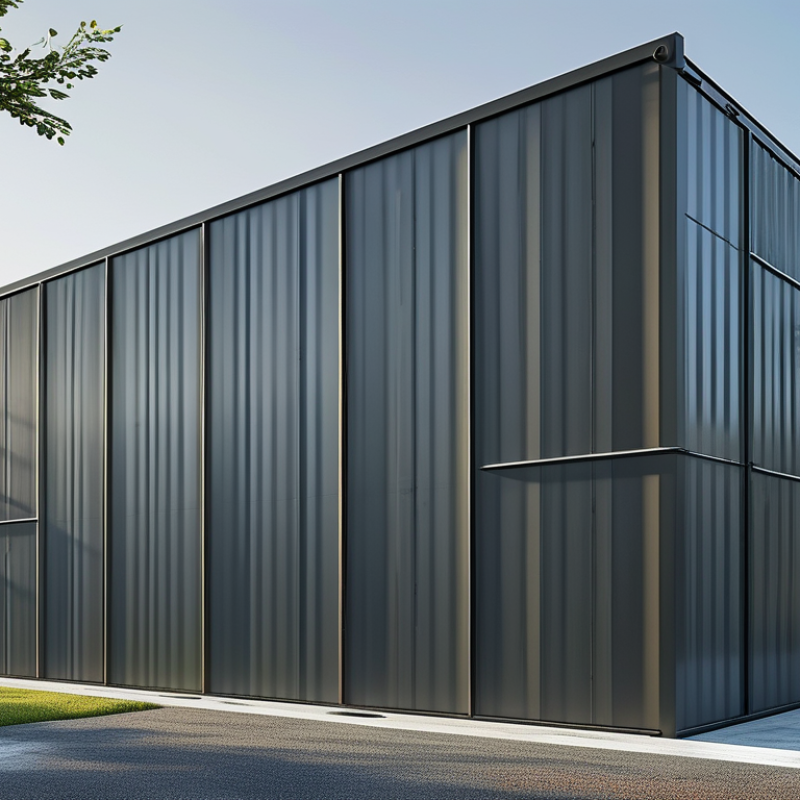
Benefits of Prefab Metal Wall Panels in Construction Projects
Prefab metal wall panels have gained popularity in construction projects for several reasons. One significant benefit is their speed of installation. They come pre-engineered and cut to size, allowing for quicker assembly on-site. This can lead to reduced labor costs and shorter project timelines. Additionally, their lightweight nature makes them easier to handle compared to traditional building materials.
Another advantage is durability. Metal panels are resistant to rot, pests, and extreme weather conditions. This longevity reduces maintenance needs over time. However, some may argue that insulation properties might fall short compared to other materials. It’s vital to consider insulation needs based on the project's location and function.
Aesthetic versatility is also a key feature. Metal panels can be finished with various coatings and colors, allowing for custom appearances. This adaptability can meet different design requirements. Yet, it's essential to address potential concerns over the sound of rain or hail hitting metal surfaces. Refining construction methods can help mitigate noise issues, providing a more comfortable environment. Overall, the benefits of prefab metal wall panels make them a compelling choice, but careful planning is necessary to address their limitations.
Comparative Analysis: Prefab Metal Panels vs. Traditional Building Materials
When considering building materials, prefab metal wall panels and traditional options like wood or brick often come into play. Prefab metal panels offer distinct advantages. They are lightweight yet durable, reducing transportation costs and labor time. Traditional materials, in contrast, can be heavy and labor-intensive, leading to longer construction periods.
Prefab panels also showcase impressive energy efficiency. Proper insulation can lead to lower heating and cooling costs. On the other hand, traditional materials might not always provide the same level of thermal resistance. This can be a critical factor in today’s energy-conscious environment.
However, it's important to recognize that prefab panels can sometimes lack the aesthetic flexibility of traditional materials. Customization options might not always meet unique design requirements. Evaluating project needs will be essential in determining the best choice. The decision should reflect both functionality and visual appeal. Understanding these differences is vital for making an informed choice in construction projects.
Why Choose Prefab Metal Wall Panels for Your Next Project?
Cost-Effectiveness of Prefab Metal Wall Panels Over Time
Prefab metal wall panels have gained popularity for their economic advantages. Studies indicate that using these panels can reduce overall construction costs by up to 30%. This is because they are manufactured off-site, saving time and labor expenses. Prefabrication also means fewer delays related to weather and site conditions. For developers, every day saved can significantly impact the project budget.
Moreover, the longevity of prefab metal wall panels adds to their cost-effectiveness. According to industry reports, these panels can last over 40 years with minimal maintenance. This durability translates to fewer replacements and repairs, translating to lower long-term expenditure. The energy efficiency of these panels can lead to reduced heating and cooling costs, further enhancing their value over time.
However, it's essential to reflect on the initial investment. While the upfront cost might be higher than traditional materials, the long-term savings tend to outweigh it. Decision-makers should carefully evaluate their choices to ensure they align with performance, budget, and sustainability goals. An understanding of local market conditions can also play a crucial role in the overall effectiveness of using prefab metal wall panels.
Sustainability and Environmental Impact of Metal Wall Panels
The use of prefab metal wall panels is rising, particularly due to their sustainability. These panels often contain recycled materials, reducing waste. According to the U.S. Environmental Protection Agency, metal products can be made from up to 70% recycled content. This helps in lowering the carbon footprint of construction projects.
Metal wall panels are also designed for longevity. A study from the Metal Construction Association reports that metal panels can last over 50 years with minimal maintenance. This durability translates to fewer resources used for repairs and replacements throughout their life cycle. While they may have a higher upfront cost, the long-term savings often outweigh initial investments.
Additionally, the production of metal panels emits fewer greenhouse gases compared to other materials. Data from industry reports highlights that metal construction significantly reduces energy consumption during manufacturing. However, not all manufacturers prioritize proper environmental practices. It's essential to research suppliers and their commitments to sustainability. Making informed decisions can positively impact both the project and the environment.
Design Versatility and Aesthetic Appeal of Prefab Metal Walls
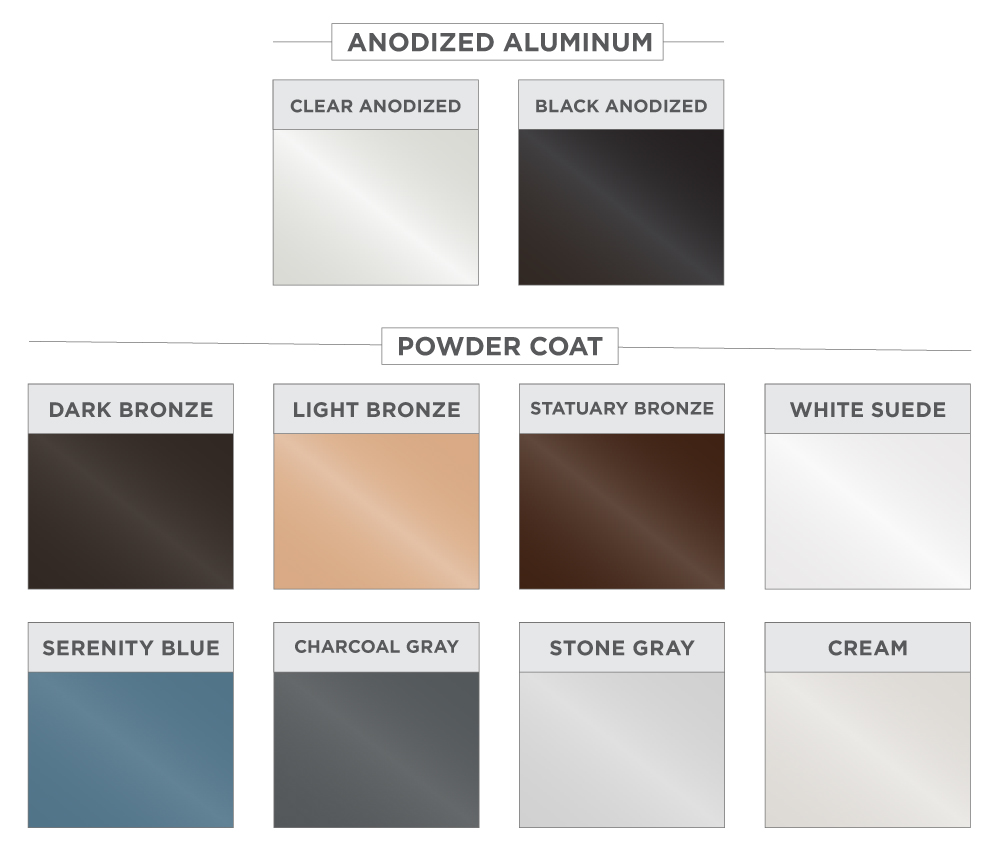
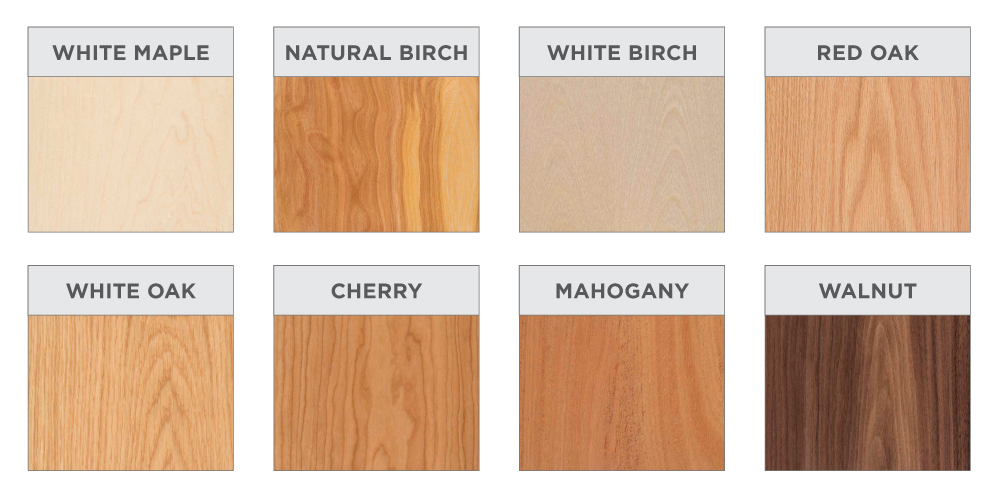
Prefab metal wall panels offer remarkable design versatility. They come in various colors, textures, and finishes, allowing for endless creative possibilities. Architects and designers appreciate how these panels can mimic the appearance of traditional materials. Wood, stone, and brick are just a few examples. This adaptability makes them a favored choice for modern projects, blending function and aesthetics.
The aesthetic appeal of prefab metal walls cannot be overstated. They lend a contemporary edge to buildings. The sleek lines can make structures look more expansive and inviting. Different installation patterns, such as vertical or horizontal layouts, can also create unique visual impacts. However, not all designs will suit every project. Sometimes, a more traditional approach might be better. Designers may need to reconsider their choices based on the surrounding environment, ensuring harmony between the structure and its setting. The right balance can elevate all aspects of a project significantly.