What is a Capsule Tiny House and Why is it Popular?
The Capsule Tiny House represents a growing trend in sustainable living. These compact homes are designed to maximize space while minimizing environmental impact. According to a report by the Tiny House Society, over 68% of Americans express a desire to downsize their living expenses, making tiny houses increasingly appealing.
The Capsule Tiny House offers functional design without sacrificing comfort. It often includes innovative storage solutions and efficient layouts. However, the popularity of these homes brings challenges. Many people struggle with the transition from traditional housing, as downsizing can be emotionally taxing.
Despite the hurdles, the allure of a simpler lifestyle is undeniable. A study from the National Association of Home Builders shows that tiny homes can save owners up to 70% on energy costs. The Capsule Tiny House embodies this vision, attracting those seeking both economic sustainability and a minimalist lifestyle.
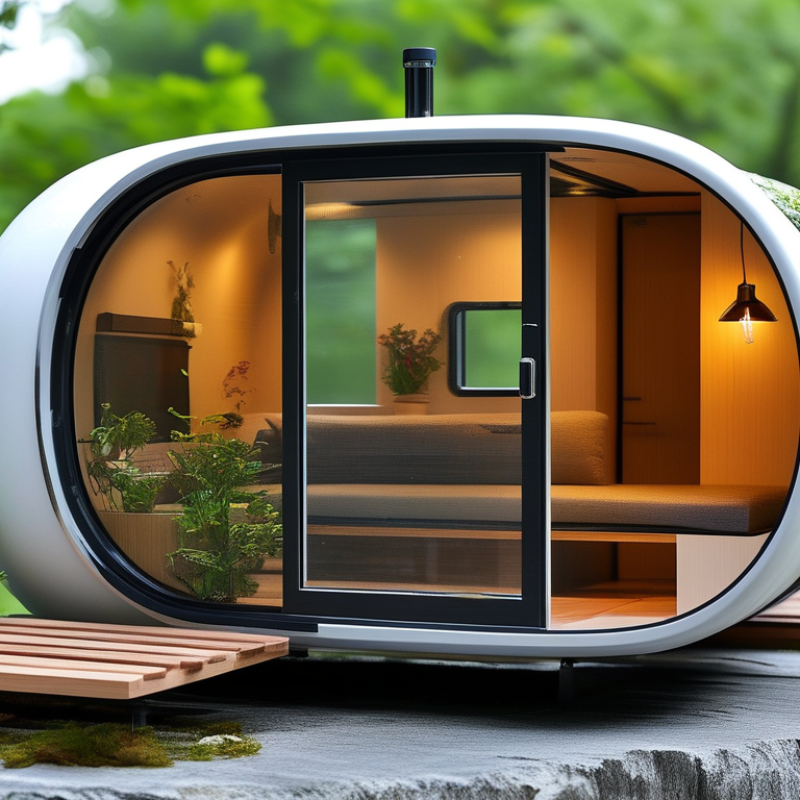
What is a Capsule Tiny House?
A capsule tiny house is a compact living space designed for maximum efficiency. These homes often emphasize minimalism and functionality. Each unit typically ranges from 100 to 250 square feet. They provide essential amenities like sleeping areas, kitchens, and bathrooms within a streamlined design. The emphasis is on creating a cozy atmosphere with smart storage solutions.
The appeal of capsule tiny houses lies in their simplicity. Many people are drawn to the idea of living with less. These homes encourage a lifestyle focused on experiences rather than possessions. However, living in a small space can present challenges. Limited space may lead to feelings of confinement for some. It requires careful planning and organization.
Capsule houses are often found in urban areas where space is at a premium. They offer an alternative to traditional housing, promoting sustainability and lower living costs. Despite the drawbacks, the trend continues to grow. Many find joy in the creative use of limited space. This lifestyle prompts reflections on what is truly necessary for comfort and happiness.
Key Features of Capsule Tiny Houses
Capsule tiny houses are revolutionizing the way people think about living spaces. These compact homes feature innovative designs that maximize space and functionality. Many are modular, allowing for easy assembly and disassembly. They often include multipurpose furniture, such as beds that convert into seating. This adaptability makes them attractive for minimalistic lifestyles.
One key feature is sustainability. Capsule tiny houses are typically made from eco-friendly materials. They often incorporate energy-efficient systems, such as solar panels. Moreover, their small size means less energy consumption overall. Many people appreciate living with a smaller carbon footprint. Additionally, the affordable nature of these homes appeals to those looking to reduce debt.
However, capsule tiny houses aren't for everyone. They might feel cramped for those accustomed to larger spaces. Storage can be a challenge, requiring creative solutions. Residents often find they need to part with possessions. This process can lead to personal reflection and growth. Some may struggle with the transition to minimalist living, making it important to weigh options before committing.
Popularity of Capsule Tiny Houses
Reasons Behind the Popularity of Capsule Tiny Houses
Capsule tiny houses have surged in popularity, captivating many with their unique design and efficiency. These compact homes typically feature modular structures that maximize space yet maintain comfort. Their allure lies in the minimalistic lifestyle they promote, appealing to those seeking simplicity. People often find liberation in downsizing, shedding unnecessary possessions. This shift towards a minimalist approach is not just trendy; it brings mental clarity and financial freedom.
One of the main reasons behind the rise of capsule tiny houses is their affordability. Traditional housing markets have become increasingly inaccessible for many. Capsule houses offer a practical solution by requiring less land and material. They often come with lower utility costs and maintenance expenses, making them attractive to budget-conscious consumers. Additionally, their eco-friendly nature strikes a chord with environmentally aware individuals. Living in a smaller footprint reduces resource consumption and energy use.
Yet, living in a capsule tiny house poses challenges. Space can feel restrictive, and personal belongings must be minimized. The adjustment period for many can be difficult. Some may find loneliness in the compact living arrangement. It requires a conscious effort to create a warm and inviting atmosphere. Potential buyers must reflect on their individual needs and lifestyle choices carefully. This introspection can be daunting but ultimately rewarding, as it encourages a more purposeful way of living.
Benefits of Living in a Capsule Tiny House
Living in a capsule tiny house brings a unique lifestyle choice. These compact homes, often under 200 square feet, offer many benefits. They promote minimalism, encouraging residents to downsize. This reduction fosters a less cluttered life, creating a calming atmosphere.
Space efficiency is a major advantage. Capsule tiny houses usually incorporate multifunctional furniture. For example, a bed might convert into a seating area during the day. This adaptability allows residents to make the most of limited space. However, the challenge lies in finding an effective layout that suits personal needs.
Cost savings also appeal to many. Lower utility bills and maintenance costs make tiny living attractive. While the initial investment may be high, the long-term savings can be significant. Yet, adjusting to life in such compact quarters can be difficult. Some may struggle with the lack of personal space. Balancing comfort and practicality requires careful consideration.
Challenges and Considerations of Capsule Tiny House Living
Living in a Capsule Tiny House offers a unique lifestyle, but it comes with significant challenges. First, space is extremely limited. These homes, often just a few hundred square feet, require residents to downsize drastically. Many people struggle to let go of possessions that no longer fit. This can lead to emotional stress as they redefine what is truly necessary.
Additionally, capsule living can affect privacy. With a small area, personal space is often compromised. Couples or families may find it hard to coexist harmoniously in such close quarters. Noise can become an issue, too. Everyday activities like cooking or studying can disrupt the peace.
Another consideration is the need for creativity in storage solutions. Traditional furniture may not work well in this compact setting. Residents often need to invest time and effort into custom solutions. This process can be frustrating, especially when living with children or pets. Balancing minimalism with functional living can certainly be a challenge, requiring constant adjustments and reflections on one’s lifestyle choices.
What is a Capsule Tiny House and Why is it Popular? - Challenges and Considerations of Capsule Tiny House Living
| Feature | Description | Pros | Cons |
|---|---|---|---|
| Size | Compact living space typically around 100-350 square feet. | Lower maintenance, less cleaning, easier to manage. | Limited space can feel cramped for some. |
| Affordability | Generally less expensive than traditional homes. | Lower housing costs can lead to financial freedom. | Initial setup costs can still be high depending on customization. |
| Sustainability | Often designed with eco-friendly materials and features. | Reduced carbon footprint and energy use. | May require additional investments in sustainable technology. |
| Mobility | Can often be transported to different locations. | Flexibility to relocate without purchasing new land. | Logistics of moving can be complex and costly. |
| Lifestyle | Encourages minimalism and lifestyle simplification. | Increased focus on experiences rather than possessions. | Adapting to a small space can be challenging for many. |