Skip to content

7 Best Aluminum Louver Windows for Global Buyers

Global demand for Aluminum Louver Windows is rising as architects seek ventilation, daylight, and durable solar control. Grand View Research estimates that the global aluminum windows market will continue expanding through 2030, supported by urban construction and replacement projects. Mordor Intelligence also identifies energy efficiency and sustainable building materials as important market drivers. However, these reports cover broad aluminum window categories. Louver-specific figures remain less consistent.

That gap matters.

A louver window is not simply a frame with movable blades. Its performance depends on blade overlap, drainage paths, hardware quality, glass or aluminum thickness, and installation accuracy. In coastal regions, salt exposure can quickly reveal weak coatings. In tropical buildings, a poorly sealed frame may invite wind-driven rain. Buyers should compare tested air infiltration, water penetration, wind-load resistance, finish standards, and warranty terms.

Building-science expert Dr. Joseph Lstiburek states, “A building enclosure should be designed to control rain, air, heat, and moisture.” This principle applies directly to Aluminum Louver Windows, especially in hospitals, schools, apartments, and industrial facilities. The best product is rarely the cheapest one. It is the one that matches climate, façade pressure, maintenance access, and local installation skills.

This guide reviews seven strong options for global buyers. It considers ventilation control, corrosion resistance, safety, customization, certifications, and supplier reliability. Some conclusions remain conditional. Product data can change by factory, batch, and region. Therefore, buyers should request current test reports and project references before ordering. A polished catalogue is helpful. It is not proof.
7 Best Aluminum Louver Windows for Global Buyers

Types of Aluminum Louver Windows for Different Building Applications

Aluminum louver windows serve different building needs, so selection should begin with airflow, weather exposure, and maintenance access. Fixed louver windows suit plant rooms, warehouses, stairwells, and utility spaces. Their blades provide constant ventilation without moving parts. They are simple and durable. However, they cannot respond to sudden rain or changing indoor conditions.

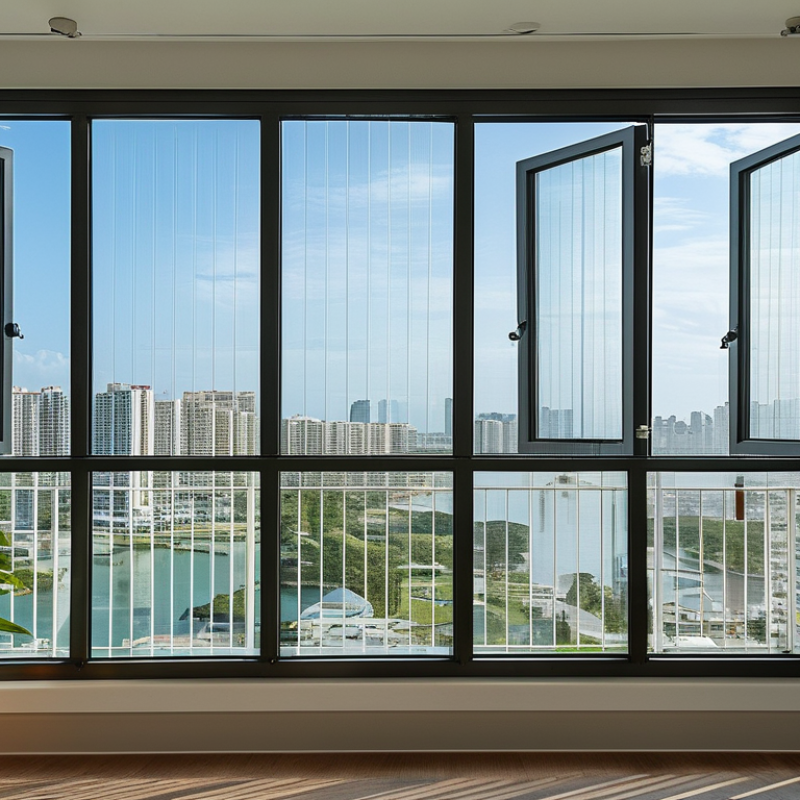
Adjustable louver windows work better in classrooms, workshops, kitchens, and apartment service areas. Manual controls suit small rooms, while motorized systems support larger buildings and automated ventilation. For exposed facades, drainable or weather-resistant louvers can guide rainwater away from the opening. A combined louver-and-glass design offers ventilation with improved daylight and security. It often fits offices, hospitals, and residential corridors.

Coastal buildings require corrosion-resistant aluminum finishes and carefully sealed fasteners. Industrial sites may need thicker blades, stronger frames, and easier cleaning access. In warm climates, deeper blades can reduce direct solar gain, but they may also limit daylight. That trade-off is easy to overlook. Buyers should verify wind-load data, blade spacing, drainage details, insect-screen compatibility, and local fire requirements before ordering. A window that performs well in a dry warehouse may fail in a humid school corridor. Specifications should reflect the actual wall system, not only the catalog dimensions.
Key Features That Define High-Quality Louver Window Systems

For global buyers, a high-quality aluminum louver window begins with the frame, not the brochure. Look for corrosion-resistant aluminum alloy, consistent wall thickness, and clean welded or mechanically joined corners. A durable powder-coated finish should cover hidden edges, drainage paths, and cut surfaces. Ask for coating thickness records and salt-spray test reports. Those documents matter.

The louver blades should close evenly, without scraping or visible gaps. Their overlap controls rain resistance, privacy, daylight, and ventilation. A well-designed blade also directs water toward a sill or external drainage channel. In coastal projects, stainless hardware and replaceable seals can prevent small defects from becoming expensive repairs. Test them carefully.

Operation is another practical test. Open several panels by hand. The handle should feel firm, while the mechanism should move smoothly under repeated use. High-quality systems usually include tested air, water, wind-load, and cycle-performance data. Global purchasers should request drawings, installation tolerances, glass specifications, and maintenance instructions before ordering. Thermal breaks can improve indoor comfort, but their value depends on the complete frame and glazing design. Do not judge performance from aluminum thickness alone. I have seen attractive samples fail when installers ignored drainage or misaligned the blades. That is an uncomfortable lesson. Factory quality helps, yet site workmanship still decides much of the final result. A reliable supplier should explain limitations honestly, including noise reduction, wind exposure, and replacement-part availability. Replacement seals and handles should remain accessible for future repairs.

Seven Leading Aluminum Louver Window Options for Global Buyers

Seven Leading Aluminum Louver Window Options for Global Buyers

Global buyers need more than attractive airflow. The International Energy Agency reports that buildings consume about 30% of global final energy and create around 26% of energy-related emissions. Window selection matters, although it is not the only factor. The U.S. Department of Energy estimates that windows can cause 25–30% of residential heating and cooling energy use. Seven practical aluminum louver options deserve attention: fixed louvers, manual adjustable louvers, motorized louvers, glass louvers, insect-screened louvers, thermal-break louvers, and high-wind-rated louvers.

Fixed louvers suit stairwells, garages, and utility rooms needing constant ventilation. Manual adjustable models offer simple control without electrical maintenance. Motorized systems fit offices and smart buildings, but controls need local technical support. Glass louvers admit daylight while preserving ventilation. Screened designs help in tropical regions, where mosquitoes become a daily concern. Thermal-break frames reduce conductive heat transfer, especially in hot or cold climates. High-wind-rated models require tested hardware and stronger anchoring, not just thicker aluminum.

Check airflow, blade overlap, drainage, corrosion resistance, and replacement-part access. Coastal buyers should request salt-spray evidence. High humidity exposes weak finishes quickly. ISO 9227 testing can help compare corrosion performance, but laboratory results do not perfectly copy every coastline. That limitation matters. I would not choose a window from appearance alone. Confirm local wind loads, glazing rules, installation details, and warranty terms with a qualified professional. Budget options can perform well, yet cheaper seals and hinges often become expensive later.

7 Best Aluminum Louver Windows for Global Buyers - Seven Leading Aluminum Louver Window Options for Global Buyers

Option Recommended Configuration Typical Frame Depth Louver Material Blade Size Glazing / Weather Protection Ventilation Control Typical Use Best Climate Fit
1. Standard Manual Louver Window Fixed aluminum perimeter frame with manually operated horizontal blades 45–60 mm Powder-coated or anodized aluminum 100–150 mm wide; 1.0–1.5 mm thick Single glass, acrylic, or aluminum blades; external drip flashing may be added Manual lever or handle Bathrooms, utility rooms, workshops, stairwells Warm and humid regions with moderate wind exposure
2. Glass Louver Window Operable louvers using transparent glass panels for daylight and airflow 50–75 mm Aluminum frame with tempered or laminated glass 100–150 mm wide; commonly 5–6 mm glass Tempered safety glass; laminated glass is preferred where impact resistance is required Manual handle, operator bar, or chain operator Kitchens, living areas, classrooms, residential façades Tropical and subtropical climates requiring daylight and cross-ventilation
3. Insect-Screen Louver Window Aluminum louver assembly combined with a removable insect screen 45–65 mm Powder-coated aluminum with fiberglass or aluminum mesh 100–150 mm wide; adjustable opening angle Screen reduces insect entry; it is not a substitute for a water-tight rain barrier Manual lever with removable screen panel Bedrooms, kitchens, hotels, tropical housing Hot, humid, insect-prone areas
4. Rain-Resistant Louver Window Overlapping blades with head flashing, sill drainage, and side weather seals 60–90 mm Marine-grade or powder-coated aluminum 100–150 mm wide; overlapping profile for improved rain deflection Gasketed blades, drainage channels, and external flashing; final water performance depends on installation Manual operator or locking handle Coastal homes, covered balconies, commercial ventilation openings High-rainfall and coastal climates; site wind rating must be verified
5. Thermal-Break Aluminum Louver Window Insulated aluminum frame using a polyamide thermal barrier 70–100 mm Powder-coated aluminum with polyamide thermal break 100–150 mm wide; glass or insulated aluminum blades Improved frame insulation; low-emissivity or insulated glass may be specified Manual, electric chain actuator, or building-control interface Offices, schools, energy-conscious residential buildings Mixed and cooler climates where condensation and heat transfer matter
6. Motorized Aluminum Louver Window Electrically operated louver system with optional rain or temperature sensor 60–100 mm Powder-coated aluminum with corrosion-resistant operating hardware 100–150 mm wide; opening angle commonly up to approximately 90° Glass, aluminum, or polycarbonate blades; weather seals selected by project requirements 24 V DC or 230 V AC actuator, depending on the control system Atriums, factories, warehouses, smoke-control and natural-ventilation systems Projects requiring automated ventilation or high-level access control
7. Heavy-Duty Coastal Louver Window Reinforced aluminum louver assembly designed for demanding exposure conditions 75–120 mm 6063-T5/T6 aluminum with anodized or high-durability powder-coated finish 120–200 mm wide; heavier blades and reinforced pivots Laminated glass, aluminum, or impact-rated panels; project-specific wind and impact testing is required Locking manual operator or heavy-duty electric actuator Marine buildings, industrial plants, high-rise service areas Salt-air, cyclone-prone, and high-wind locations subject to local engineering approval

Note: Dimensions and configurations are typical market specifications for generic aluminum louver window systems. Actual air, water, structural, thermal, and corrosion performance should be confirmed through project-specific testing and applicable local standards.

How to Compare Performance, Design, Cost, and Supplier Reliability

7 Best Aluminum Louver Windows for Global Buyers

Comparing the seven best aluminum louver windows requires more than checking photos. Start with airflow, weather resistance, and operating control. A narrow blade angle can improve ventilation, but it may admit less daylight. Ask for air-leakage, water-penetration, and wind-load test results. Thermal breaks matter in air-conditioned buildings. They reduce heat transfer around the frame. Check blade thickness, hinge strength, screen fit, and drainage paths. These small details often separate a reliable window from an attractive sample.

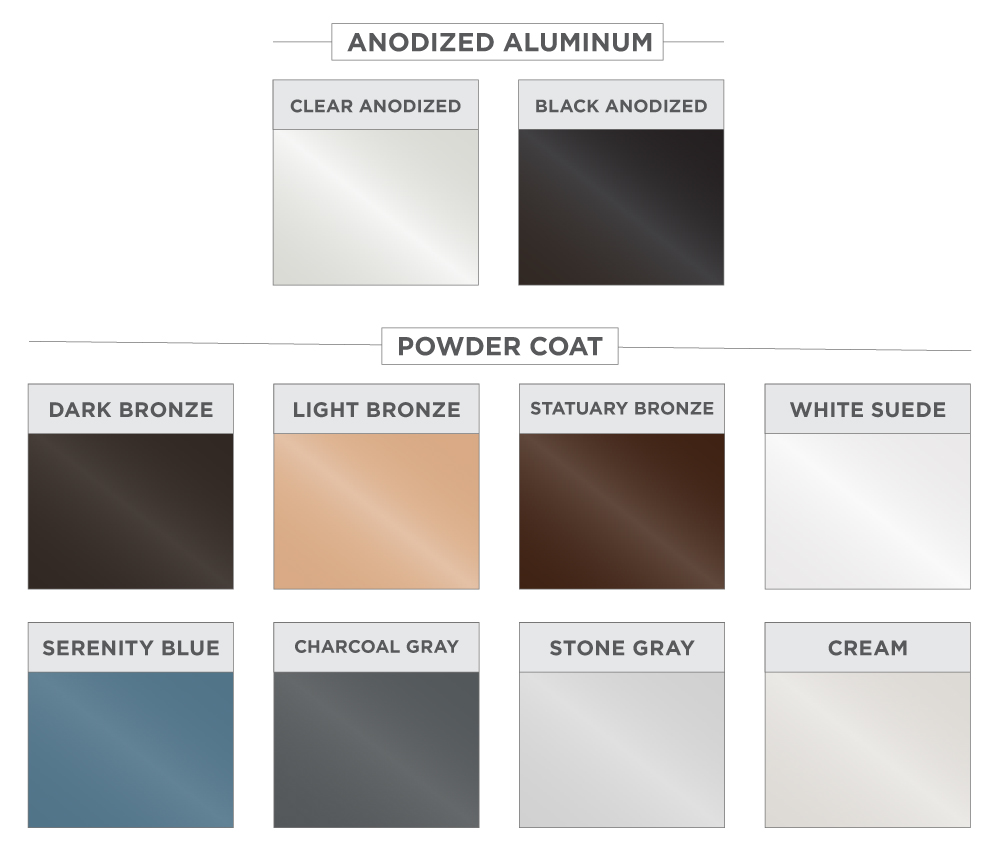
Design should match the building, climate, and maintenance plan. Powder-coated finishes offer many colors, while anodized surfaces can provide a different texture. Confirm coating thickness and color consistency across replacement batches. A sample corner is useful. It shows the frame joint, gasket contact, and internal reinforcement. Some designs look elegant but collect dust inside narrow channels. That weakness may be overlooked during a showroom visit.

Cost comparison should include freight, installation, spare parts, cleaning, and future repairs. The cheapest quotation is not always the lowest ownership cost. Request a detailed bill of materials and clear production tolerances. Supplier reliability needs equal attention. Review factory capacity, inspection records, packaging methods, and response times. Ask for references from similar climates. Independent test documents are stronger than sales claims. A pre-shipment inspection can reveal scratches, uneven blades, or missing hardware. No comparison is perfect. Even experienced buyers can overvalue appearance when deadlines become tight.

Installation, Maintenance, and International Purchasing Considerations

Choosing among the seven best aluminum louver windows requires more than comparing prices. Installation experience shows that accurate opening measurements prevent uneven blades and air leakage. Leave the manufacturer’s recommended clearance around the frame. A level sill matters. Small errors become visible when rainwater collects inside the track.

Use stainless steel or corrosion-resistant fasteners in coastal regions. Apply compatible sealant around the outer frame, but keep drainage paths open. Do not seal every gap blindly. Ventilation windows need controlled water release. One practical warning: imported installation instructions may use unfamiliar measurements. Confirm millimeters, opening direction, glass specifications, and hardware positions before work begins.

Maintenance is simple when scheduled. Remove dust from louver hinges and tracks with a soft brush every few months. Wash aluminum surfaces using mild soap and clean water. Avoid abrasive pads. Inspect seals after severe weather, especially where salt spray or heavy dust is common. If operation becomes stiff, check alignment before adding lubricant. Excess lubricant can trap grit.

International buyers should request drawings, packing details, replacement-part availability, and verified performance data. Confirm the window’s wind-load, water-tightness, thermal, and acoustic ratings for the project location. Ask whether testing applies to the complete window or only selected components. I have seen purchasing decisions focus too heavily on unit cost. That approach can ignore freight damage, customs delays, and difficult after-sales service. A pre-shipment inspection and moisture-resistant packaging may cost more, but they reduce unpleasant surprises.