Skip to content

Top 10 Benefits of Fire Resistant Black Rock Wool Insulation?

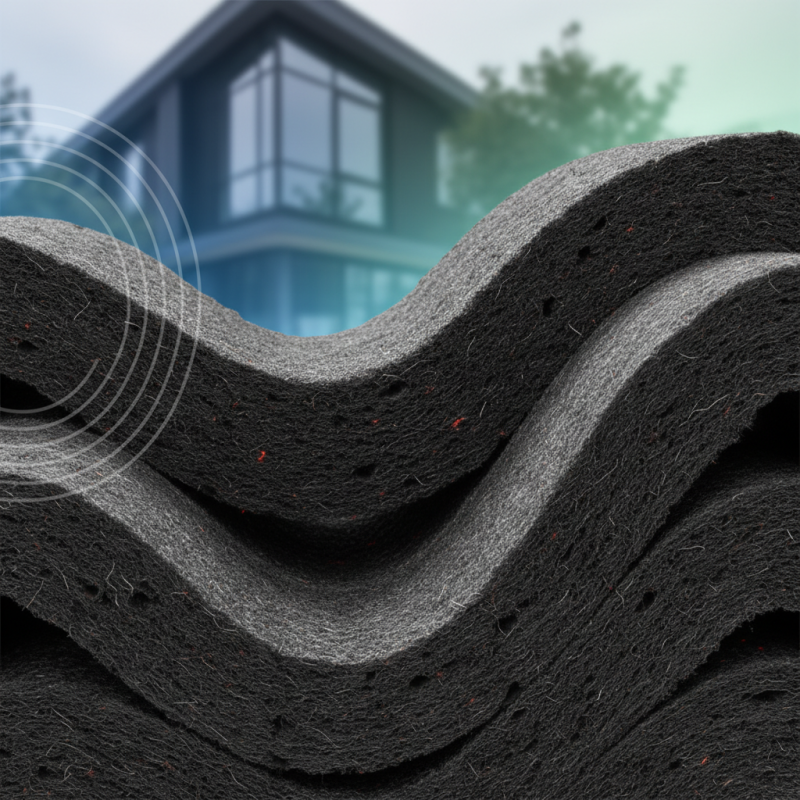
Fire-Resistant Black Rock Wool insulation stands out in the realm of construction materials. This innovative solution provides a unique combination of durability and safety. It effectively protects buildings from fire hazards, creating peace of mind for homeowners and builders alike.

One crucial benefit is its impressive fire resistance. Fire-Resistant Black Rock Wool can withstand high temperatures, delaying the spread of flames. This characteristic significantly enhances the safety profile of any structure. Furthermore, it offers soundproofing properties. It absorbs sound effectively, ensuring a quiet indoor environment.

Adopting this insulation can lead to energy savings. It maintains temperature better, reducing heating and cooling costs. Not every insulation material offers this level of performance. Fire-Resistant Black Rock Wool also supports sustainable building practices. Its recyclable nature appeals to environmentally conscious consumers. Investing in this insulation makes a considerable difference today and in the future. In an ever-evolving construction landscape, the advantages must not be overlooked.
Top 10 Benefits of Fire Resistant Black Rock Wool Insulation?

Benefits of Enhanced Fire Safety with Black Rock Wool Insulation

Fire safety is paramount in construction. Black rock wool insulation offers significant advancements in this area. This material is known for its exceptional fire resistance. Studies show it can withstand temperatures exceeding 1,800°F. This makes it one of the best options for enhancing fire safety in buildings.

The inherent properties of black rock wool insulation significantly reduce the spread of flames. According to the National Fire Protection Association, effective insulation can lower fire hazards significantly. Many builders now prioritize materials that provide a safe environment. In fact, the International Building Code recognizes mineral wool insulation for its fire-resistive qualities.

Furthermore, fire-resistant insulation contributes to overall building durability. It helps maintain structural integrity during a fire. Black rock wool insulation is also non-combustible, thus providing critical minutes during a fire emergency. This can mean the difference between life and death. The importance of using fire-rated materials cannot be overstated. However, some decision-makers may overlook this, emphasizing cost over safety.
Energy Efficiency Improvements through Fire Resistant Insulation

Fire-resistant black rock wool insulation offers significant energy efficiency improvements for buildings. It is designed to provide excellent thermal performance. By minimizing heat loss during winter and reducing heat gain in summer, it can stabilize indoor temperatures. This translates into lower energy bills over time. Using this insulation can lead to a noticeable drop in heating and cooling needs.

Moreover, fire-resistant insulation minimizes the risk of fire damage. When installed correctly, it acts as a barrier, delaying the spread of flames. This safety feature not only protects lives but also safeguards property. As a result, homeowners may experience lower insurance premiums due to reduced fire risk. Ensuring that the insulation is properly installed is crucial; poor installation can compromise its effectiveness.

Even with these advantages, one might wonder about the initial investment. The upfront costs can be higher than traditional insulations. However, considering long-term energy savings, it may be worth it. This insulation can last for decades if maintained properly. It’s essential to weigh both initial and ongoing costs to make informed decisions.

Soundproofing Advantages of Using Fire Resistant Black Rock Wool

Fire resistant black rock wool insulation offers significant soundproofing advantages. This type of insulation is effective in reducing sound transmission between rooms. According to a study by the American Society of Heating, Refrigerating and Air-Conditioning Engineers (ASHRAE), rock wool can reduce sound transmission by 50% compared to traditional insulation materials. This makes it an excellent choice for multi-family buildings and commercial spaces.

When installed properly, rock wool insulation not only absorbs sound but also minimizes vibrations. Its density contributes to improved acoustic performance, making it useful in areas where noise reduction is essential, such as studios and offices. The insulation also provides thermal advantages, further contributing to overall comfort. However, installing this type of insulation requires careful consideration. If not applied correctly, gaps can lead to decreased efficiency.

Additionally, the fire-resistant properties of black rock wool can enhance safety. It withstands high temperatures, making it an ideal barrier against fire hazards. While the initial cost may be higher than some alternatives, the long-term benefits often justify the investment. Balancing cost with performance is essential in making a well-informed choice. The combination of soundproofing and fire resistance creates a safer and quieter environment.

Sustainable Properties of Fire Resistant Black Rock Wool Insulation

Fire resistant black rock wool insulation stands out for its exceptional sustainability features. This insulation material is made from natural and recycled resources, reducing reliance on virgin materials. According to the Rockwool Group, up to 80% of the raw materials used can be recycled. This significantly lowers the carbon footprint associated with insulation production.

Furthermore, black rock wool offers impressive thermal performance. It efficiently retains heat in winter and keeps spaces cool in summer. Reports from the U.S. Department of Energy indicate that effective insulation can save up to 15% on heating and cooling costs. The energy savings translate into a reduction in greenhouse gas emissions. In a world increasingly focused on sustainability, these benefits become crucial.

However, the environmental impact of production should be considered. While rock wool is durable, its manufacturing process can be energy-intensive. Efforts to reduce energy consumption during production are vital for enhancing sustainability. A balance must be achieved to ensure that the long-term benefits outweigh the immediate environmental costs. Overall, fire resistant black rock wool insulation is a step towards a more sustainable future.

Cost-Effectiveness of Installing Fire Resistant Insulation Solutions

Fire resistant black rock wool insulation presents significant cost-effectiveness for both residential and commercial properties. Installing this type of insulation can reduce energy bills over time, thanks to its excellent thermal properties. The insulation effectively traps heat in the winter and keeps spaces cool during summer months, adding to energy savings in the long run.

Beyond energy savings, there are other financial advantages. Fire resistant materials often qualify for tax credits or incentives, enhancing their appeal. Property owners benefit from lower insurance premiums too. Insurers often recognize the reduced risk associated with fire resistant materials, leading to savings on policy costs.

While the initial investment might be higher, the long-term financial benefits often justify the expense. Many people overlook the lasting impact of energy efficiency and fire safety. It is essential to weigh these factors when considering insulation options. Upfront cost is one consideration, but the future savings and safety assurances create a clearer picture of value. Investing in fire resistant insulation is not just a choice; it’s a proactive step towards sustainable living.